5 Reasons why you need to attend an underwater photography workshop!
You climb out of the water, rinse the camera and slide the card into your laptop with that little flutter of excitement. Then the first image opens. Soft focus. Murky green. A turtle that looked magnificent ten minutes ago and now looks like a smudge.
If that sounds familiar, you’re in very good company. Almost every diver who picks up a camera has come home disappointed at some point. The problem is rarely effort. You can see the shot you want in your head – you just don’t yet know how to build it underwater. In my experience, a workshop closes that gap faster than anything else. Here’s why.
1 You finally understand your gear – with someone right beside you
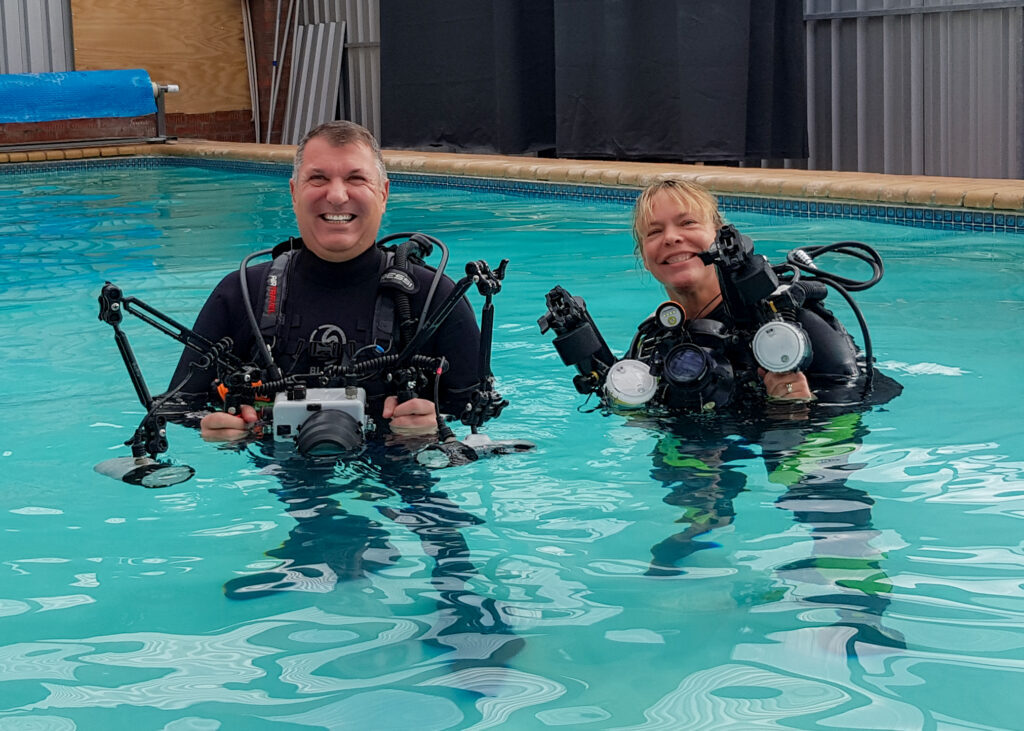
Strobe positioning, manual settings, balancing ambient light with artificial light, going beyond the ID shot – this is where most underwater photographers get stuck. YouTube tutorials can be useful, but they can’t see your rig or answer the question you actually have.
The hurdle my students mention most is moving beyond the automatic modes. Taking control of aperture, shutter speed and ISO, and switching your strobes from TTL to Manual, is where everything starts to open up. In a workshop you work through it in the water, with feedback on your own setup. The result is crisp focus, colour that looks the way it did on the reef, and exposure you chose on purpose.
2 You learn the why, not just the how
Being around photographers who have spent years shooting in all kinds of conditions changes the way you think. You learn not only how to snoot or backlight a subject, but why you’d choose that technique and when it will work.
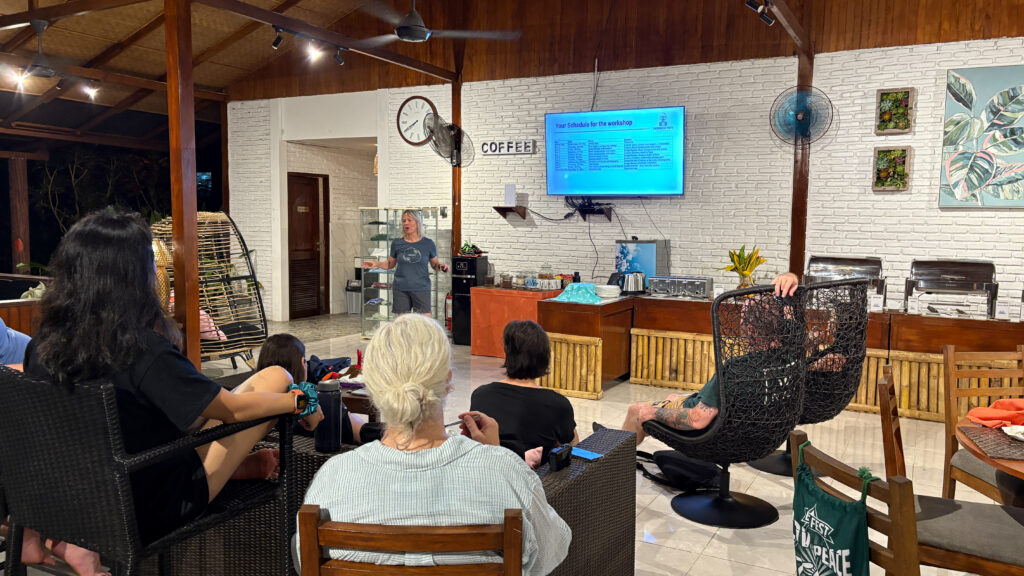
You also get to watch how an experienced photographer reads a scene, sets up the shot and adjusts quickly underwater. Seeing someone troubleshoot a lighting problem or recompose on the fly teaches you things no manual can. One client told me, “I want to learn from the best so I can finally create emotionally impactful photos and tell stories, not just take snapshots.” That’s exactly the shift a workshop makes possible.
3 You get feedback while it still matters
When you practise alone, you can get through an entire trip repeating the same mistake without knowing it. In a workshop, you get honest, constructive feedback on your images straight away, so you know exactly what to change on your next dive.
Soft focus, flat lighting, a distracting background – you learn to spot these straight away and fix them in the water. Because you can’t just quickly fix these in Lightroom. Many of my students find that what would have taken months, or even years, on their own comes together in a few days.
4 Your images start telling stories
Sharp, well-lit photos only get you so far. The photos people remember show behaviour, interaction and personality, and they make the subject the star of the show.
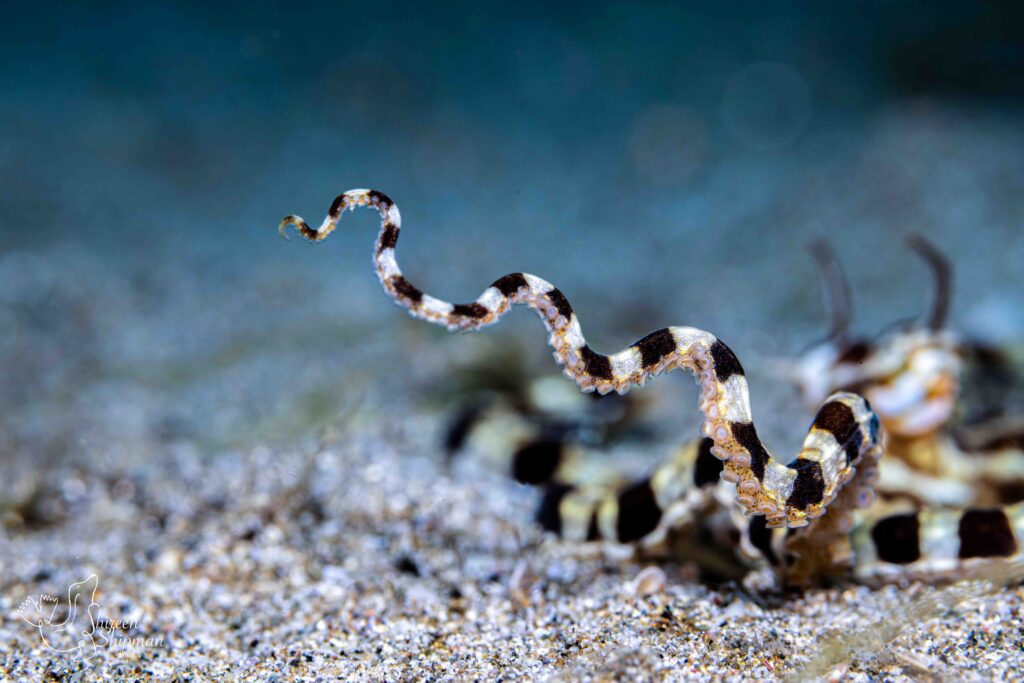
In a workshop you explore composition, negative space and layering to draw the viewer into – and through – your image. In macro, that might mean shooting upward to separate your subject from a busy background. In wide angle, it’s adding layers to create depth. In both, it’s using light to bring out colours and texture.
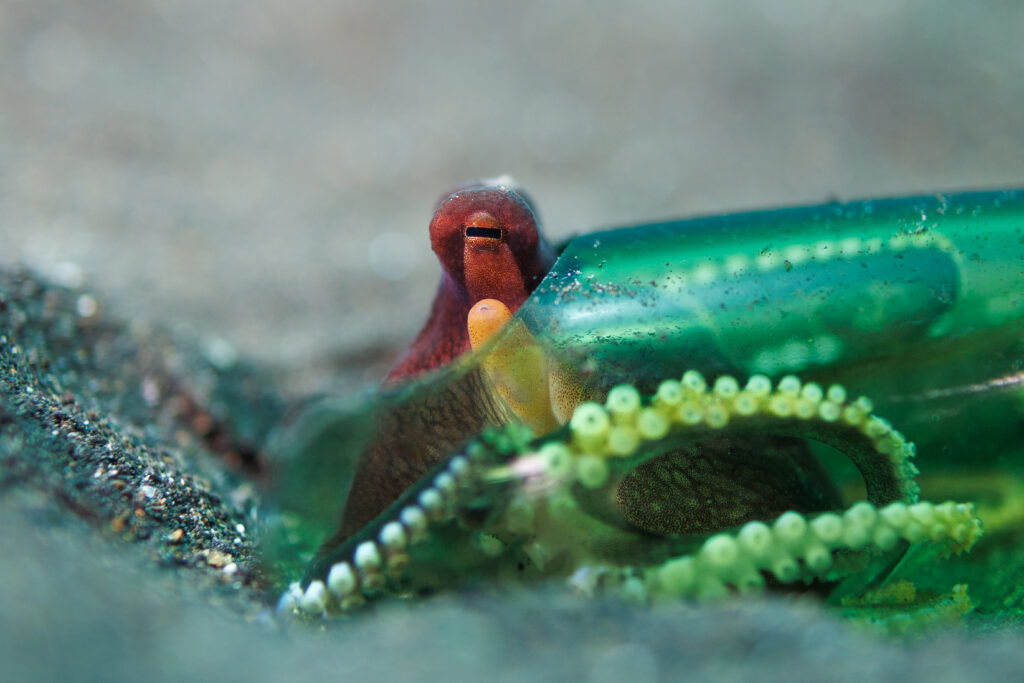
It’s also the safe place to experiment: dramatic black backgrounds, glowing backlit shots, dreamy bokeh, snoots, diopters, split shots. Try them with expert guidance and you’ll quickly find the style that feels like yours.
You find your people
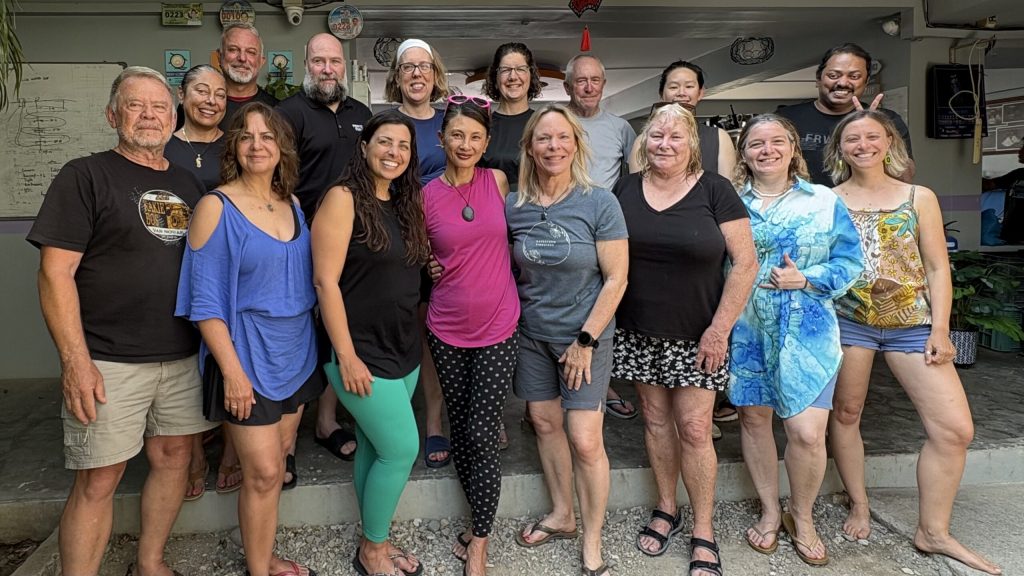
One of the most rewarding parts of a workshop is the community. You spend days with people who share your love of the ocean, understand your struggles, celebrate your small wins and nudge you to keep going. Those connections often turn into lasting friendships, and they have a funny way of reigniting your passion for underwater photography just when you need it.
How to choose the right workshop
Start with your goals. Do you want to master macro, improve your wide-angle storytelling, or finally feel confident shooting in manual? Then look at the instructor. Does their work look like the images you want to make? If you’re unsure, jump on a Zoom call. Not every coach is right for you, and not every student gels with every coach – and that’s fine.
Ask the practical questions too:
Will I get personalised feedback?
What gear and setups will we cover?
What dive conditions can I expect?
Is it hands-on, or mostly classroom?
What support is there before and during the workshop?
Choose a level that suits you – too advanced and you’ll feel overwhelmed, too basic and you won’t be challenged – and think about the location. Does it offer subjects that make you want to get in the water?
Invest in your skills and your joy
Gear is easy to collect. Knowing how to use it is a different thing. Instead of coming home with another lens you’re unsure about, or another set of disappointing images, you return with a clear plan for every dive, the skills to carry it out and the creative vision to tell stories that resonate. One student put it better than I could: “A workshop was the turning point where I stopped taking photos and started creating art.”
If you’re ready to fast-track your skills and transform your underwater images, I’d love to see you at one of my workshops. I share how I plan, light and shoot, and you’ll leave with images and confidence you’re proud of. You can see what’s coming up HERE. Your future self – and your photo albums – will thank you.