
Wide Angle Wonders – Raja Ampat
Arrive Raja Ampat on 8 September 2027 – Depart 18 September 2027
10 nights & 24 boat dives
Limited Space Available
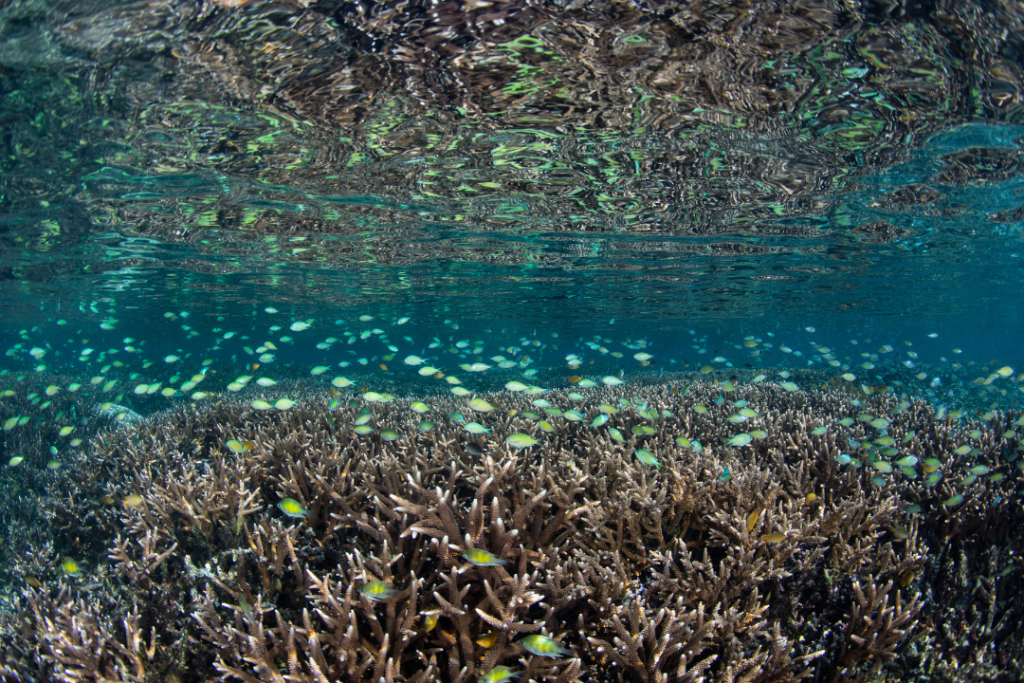
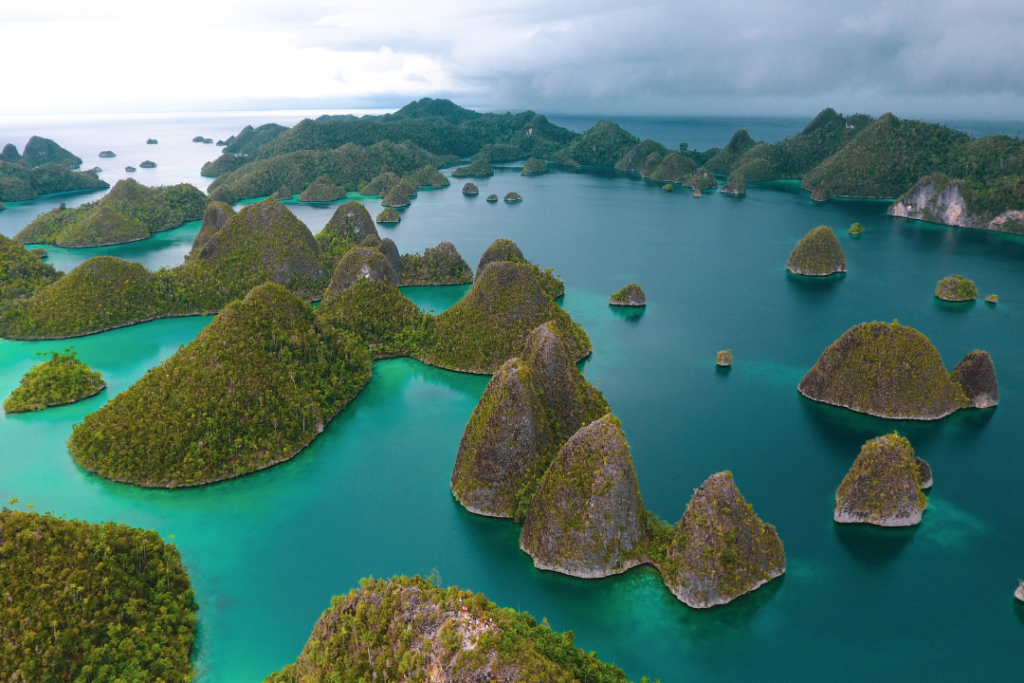
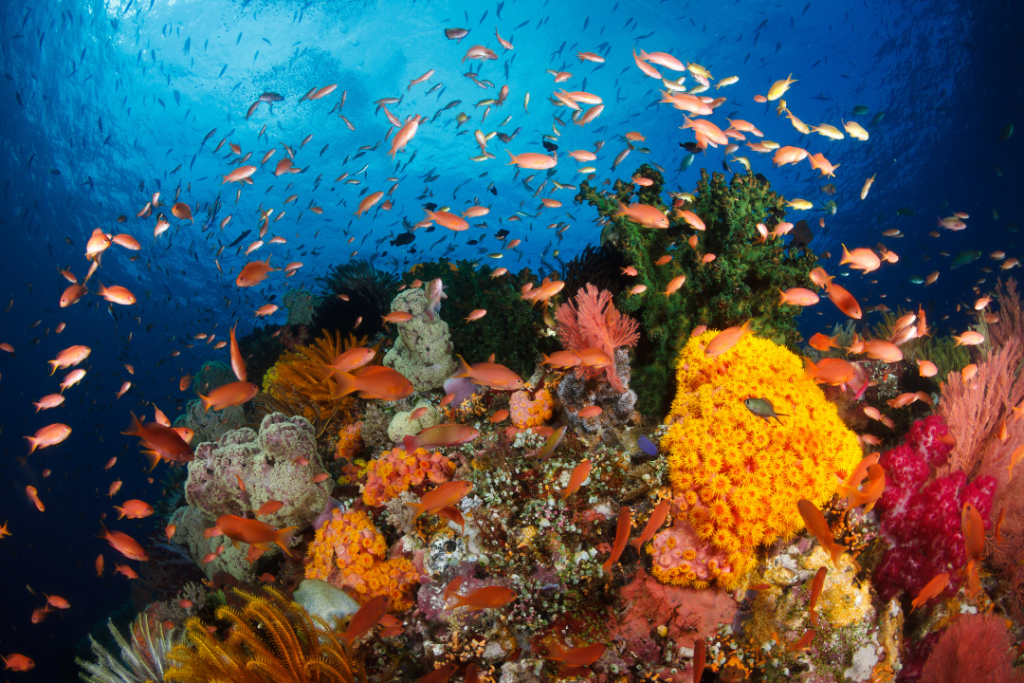
A Journey into the Wide Angle World
This workshop is for underwater photographers of all levels and all camera types — anyone who wants to learn how to create wide angle images that really capture the beauty of the underwater world. Images that stop people in their tracks. Images that make them feel something.
Wide angle underwater photography is one of the most rewarding things you can do as a diver with a camera. It asks you to think about everything at once — your subject, your background, the light coming from above, the reach of your strobes, the story you want to tell. It can feel like a lot. But when it all comes together? There is nothing quite like it.
And Raja Ampat gives us the perfect classroom. The reefs are pristine, the water is extraordinary, and the marine life is so abundant and so varied that every dive holds the possibility of something extraordinary. Over ten nights based at Waiwo Dive Resort on Waigeo Island — right at the heart of the most biodiverse marine ecosystem on Earth — we go beyond settings and strobe positions to explore the complete language of wide angle underwater photography.
You will leave knowing how to capture the ocean the way you actually see it.
This is a collaborative, supportive, small-group experience — personalised coaching, progressive lessons, and evening image reviews, all shaped around your camera, your level, and your creative goals.
Non-photographers are also very welcome.
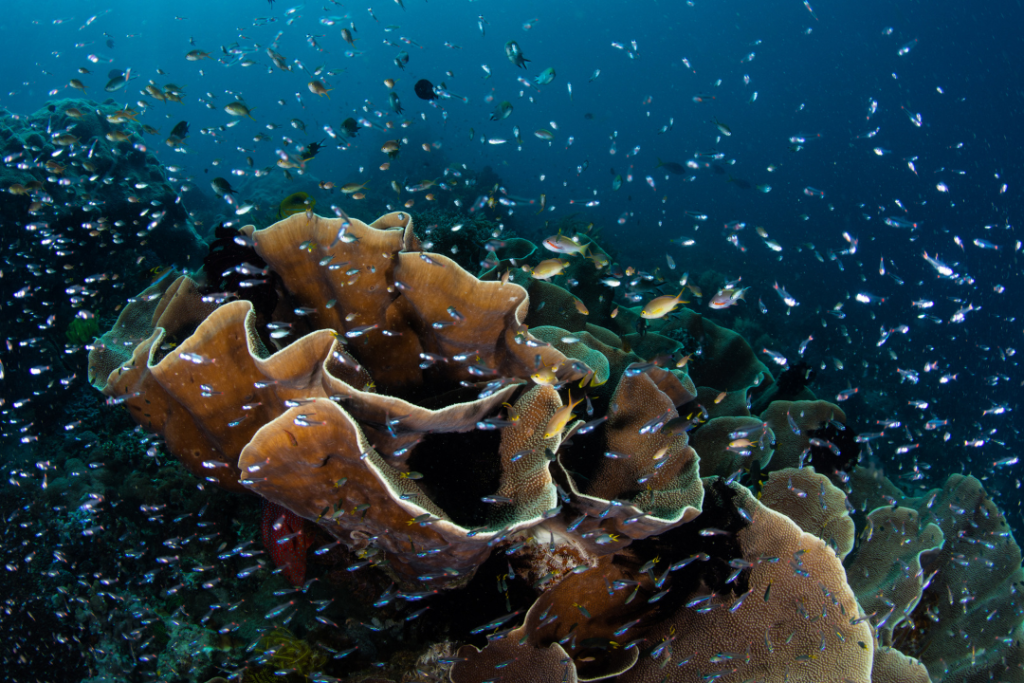
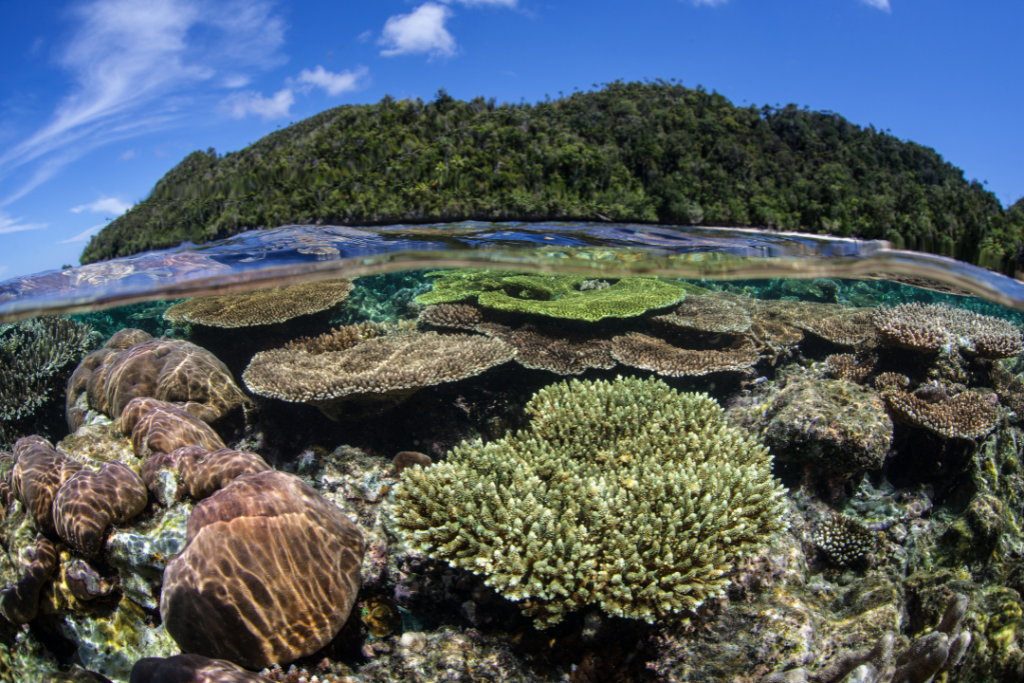
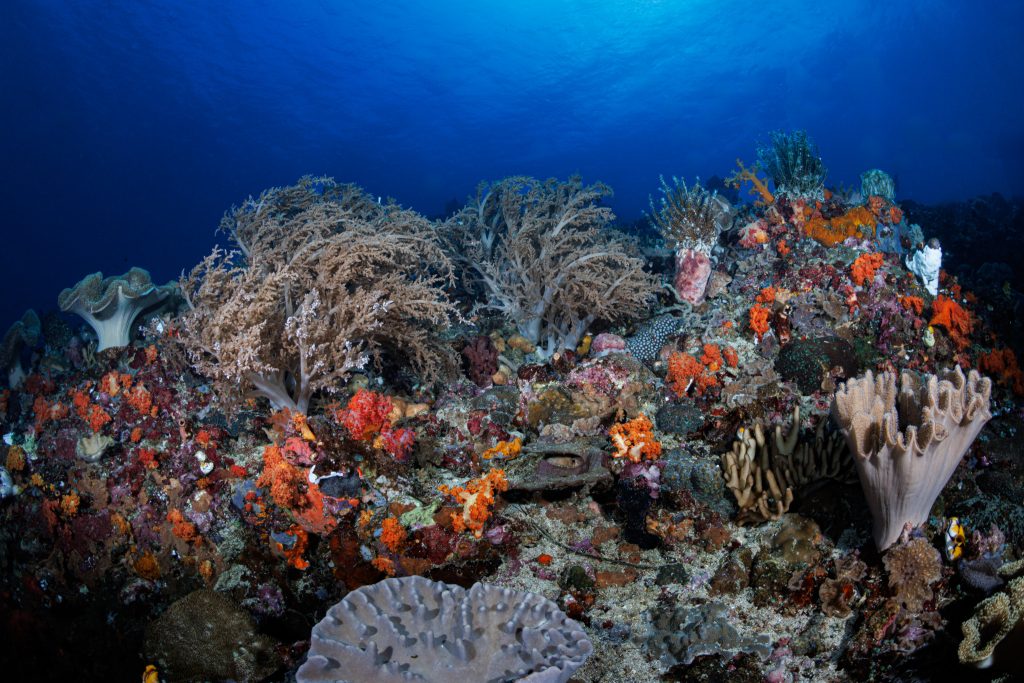
What Will We Learn
Balancing Two Exposures — The foundation of everything. You’ll learn to expose correctly for both the ambient water and your strobe light at the same time, so your images look rich, colourful, and alive — not washed out or underlit.
Strobe Positioning and Lighting Control — Wide angle lighting is a discipline in itself. We’ll cover how to position your strobes for even, beautiful light across reefs, a variety of marine life and divers, without backscatter, harsh shadows, or hotspots.
Composition — Good wide angle composition leads the viewer’s eye into a world, and through the entire scene – not just at a subject. We’ll work on angles, scale, depth, and how to use the different elements in front of you to add to the story.
Photographing Reefs, Fish, and Marine Animals — Raja Ampat’s marine life is endlessly varied, and we’ll cover how to approach it all with intention. You’ll learn to read animal behaviour and adapt quickly to capture the peak of the moment.
Split Shots and Sunrays — Two of the most dramatic techniques in wide angle photography. We’ll work on both in the water.
Shooting for Contests — Drawn directly from my experience as a competition judge. We’ll look at what actually separates a finalist image from one that doesn’t place, and how to think with a contest mindset without losing the joy.
Conservation Underwater Photography — The most powerful images say something about the importance of what we’re looking at. We’ll explore how to shoot with environmental awareness and use your photography as a tool for conservation.
The Wide Angle Mindset — Settings are the beginning, not the destination. This is about developing the way of seeing that turns a technically correct image into one that makes the viewer wish they were there.
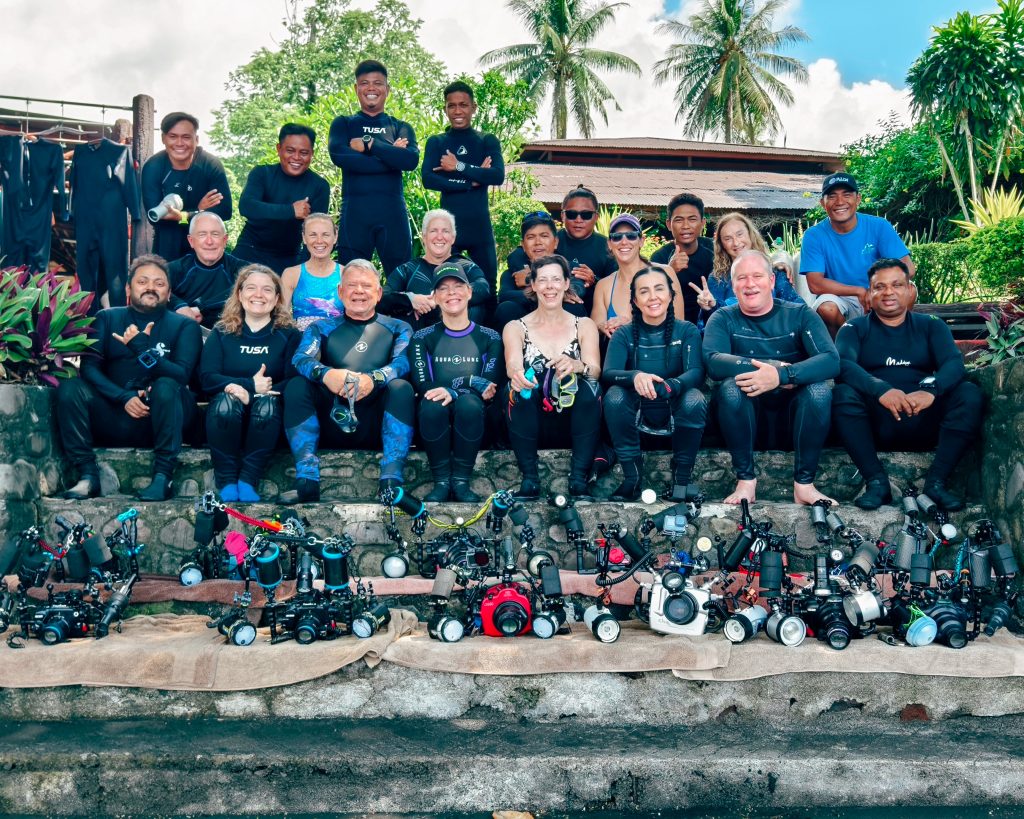
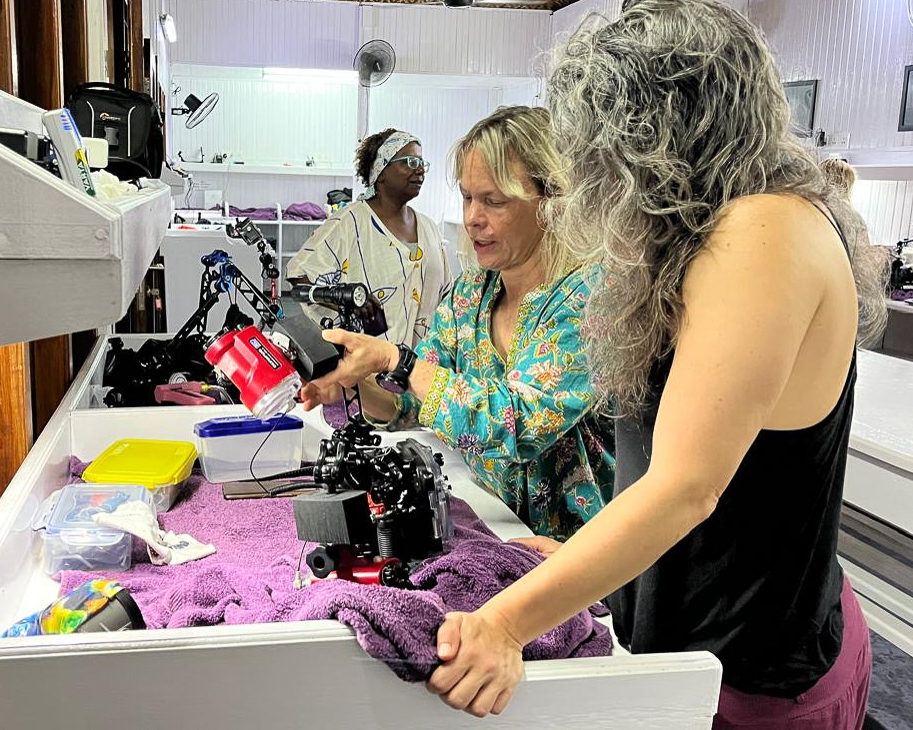

How the Workshop Runs
The programme is progressive — each session builds on the one before it, so the skills compound over the ten days rather than sitting in isolation. Every day has a specific photographic focus, so you always have a clear creative goal in the water.
Lectures and sessions are illustrated, practical, and directly connected to what you will be doing in the water. Every concept is introduced just before you need it, so you can apply it while it is fresh.
Image Reviews
Evening image reviews are one of my favourite parts of any workshop. You learn from your own images and from everyone else’s. The reviews are warm and constructive — this is a non-competitive, supportive environment. The goal is always forward progress: what worked, what to try differently, and what to build on tomorrow.
Pre-Trip Learnning
Every participant receives free access to my Wide Angle Workshop Foundations online course, which means the first dives of the workshop feel like a continuation, not a cold start.
About Raja Ampat
Raja Ampat — the Four Kings — is an archipelago of over 1,500 islands in Indonesia’s West Papua province, right at the heart of the Coral Triangle — the most biodiverse marine ecosystem on Earth. Scientists have documented more species of fish, coral, and invertebrate life here than anywhere else on the planet.
The reefs are pristine and extraordinarily diverse. The water delivers the kind of ambient light that wide angle photographers dream about. The marine life is abundant, accessible, and endlessly varied — schooling fish in every direction, wobbegong sharks resting on the sandy bottom, and reef scenes of a scale and health that are simply humbling.
Wide angle photography is the natural language of Raja Ampat. The scale of the reefs, the clarity of the water, and the quality of the light make this one of the world’s great wide angle destinations — and September puts us in excellent conditions, with calm seas and good visibility.
Water temperature sits at around 28°C (82°F). A 3mm wetsuit is comfortable for most divers.
The Dive Centre – Dive into Raja Ampat
The Dive into Raja Ampat team recently completed a full rebuild and upgrade of the dive centre, with purpose-built facilities for photographers — a dedicated camera room with individual charging stations and rinse tanks, and a secure locker room for dive gear. The whole setup sits right opposite the restaurant, which is very convenient.
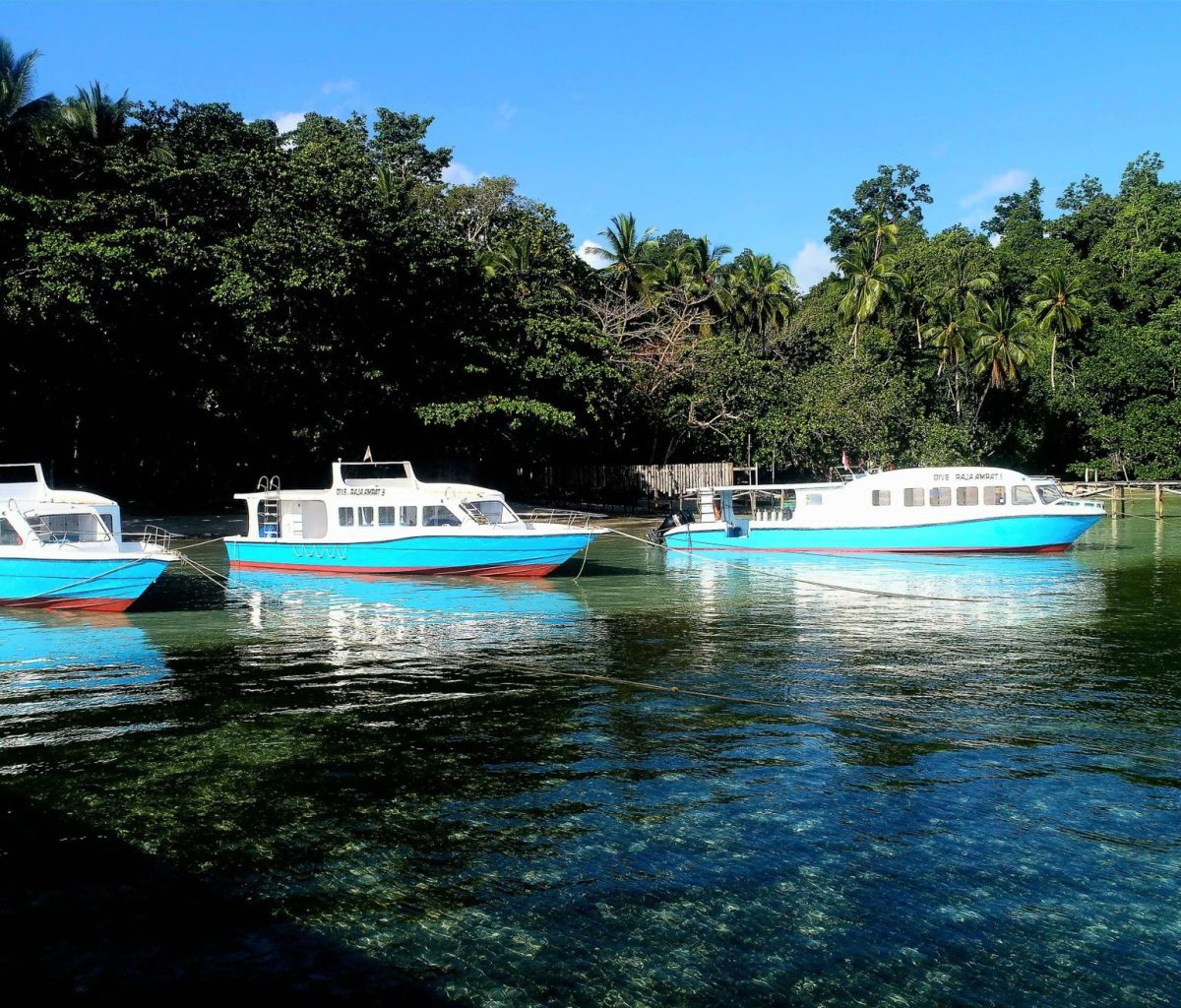
All speedboats have a minimum of two engines and carry oxygen and first aid supplies on every dive. There is shelter on the boats and plenty of space for camera equipment. The dive centre is a PADI 5-star operation. Nitrox 32 is available on request.
The daily schedule runs as a two-tank morning dive, lunch at the resort, and a single afternoon tank. House reef diving is available free of charge.
Accommodation
Waiwo Dive Resort
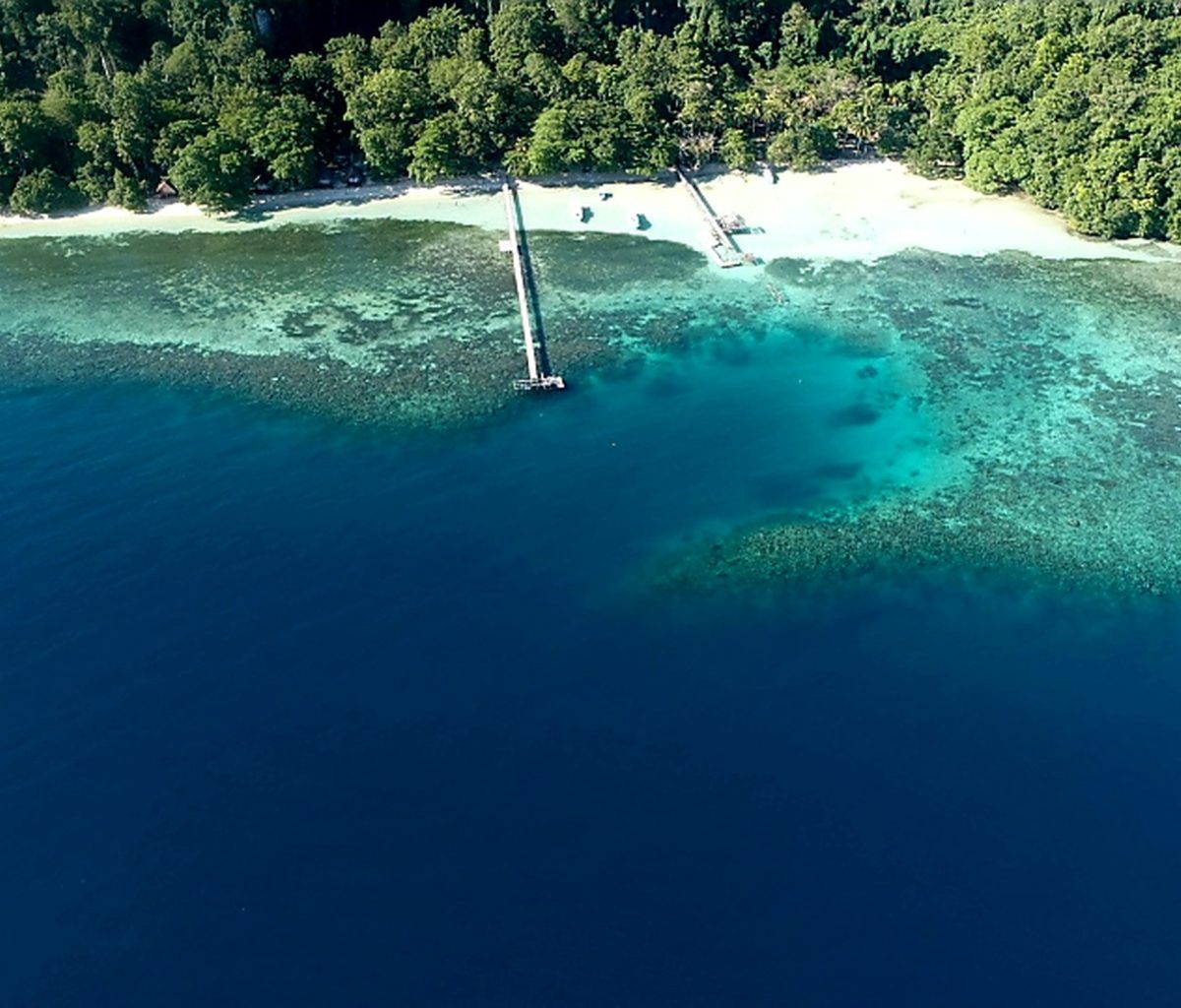
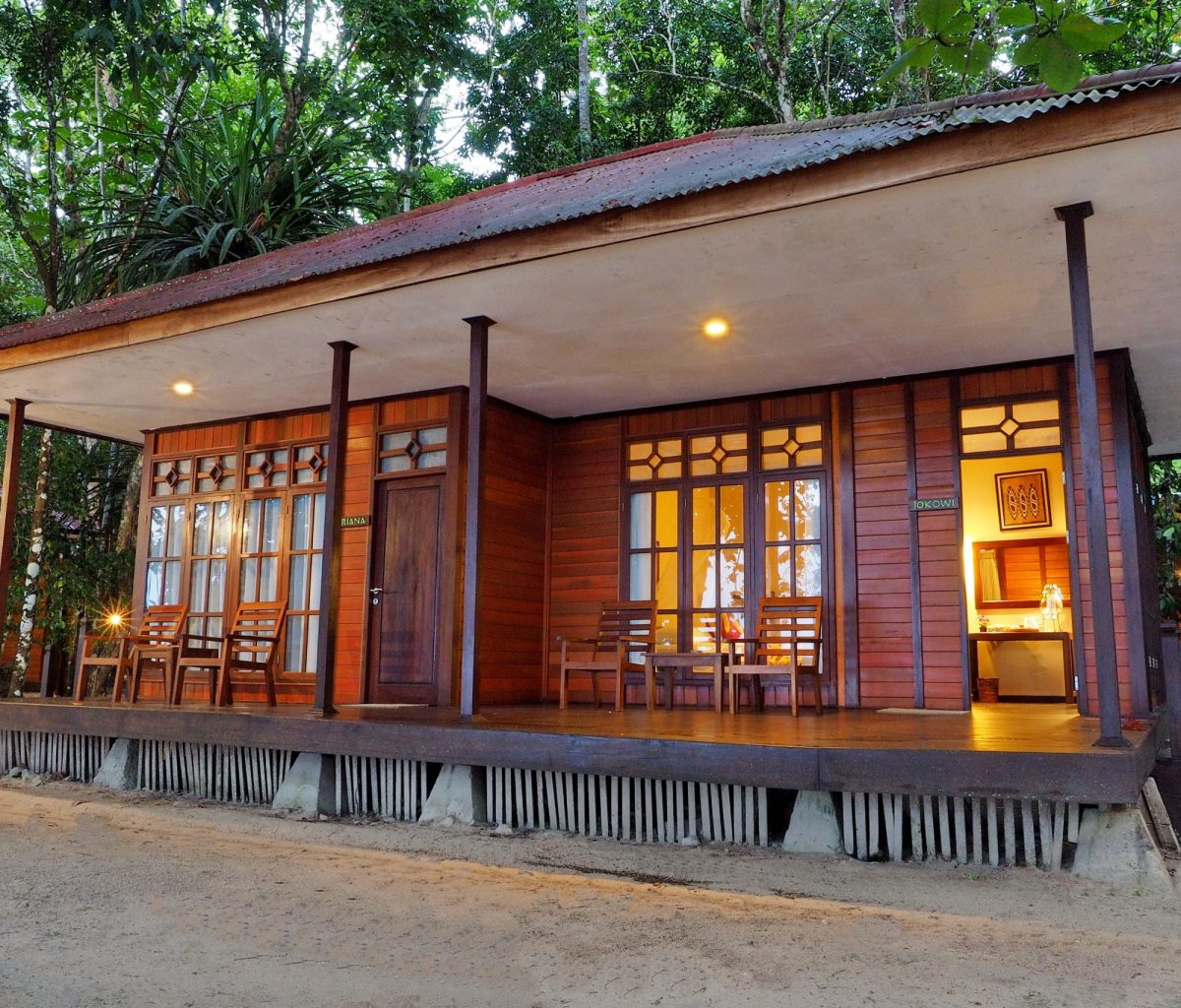
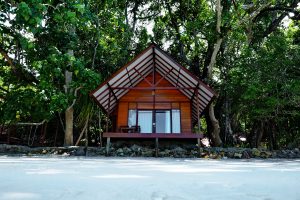
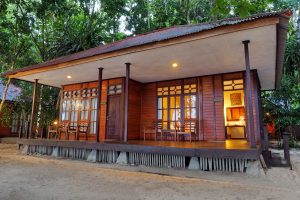
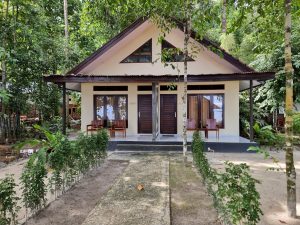
We will be staying at Waiwo Dive Resort on Waigeo Island — the largest island in Raja Ampat. The resort is built right into the surrounding jungle, with a beautiful white sand beach and a canopy of trees that keeps it naturally cool. Keep your eyes open — you may spot Indonesian Cuscus and Birds of Paradise in the trees around the resort!
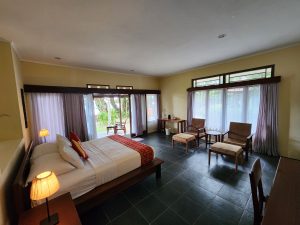
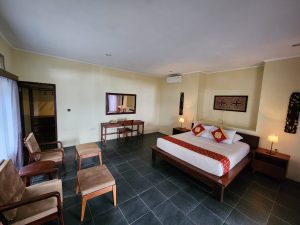
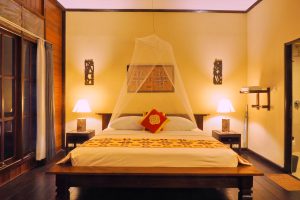
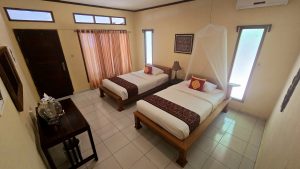
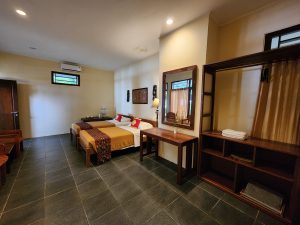
All rooms have 24-hour electricity, air conditioning, and western-style ensuite bathrooms. There are various accommodation categories to suit different preferences and budgets.
PRICES:
Rooms subject to availability, based on a first- paid, first-confirmed basis.
- Waterfront Villa, double occupancy: US$ 3 730 (per person) – TWO ROOMS LEFT
- Waterfront Villa, single occupancy: US$ 4 330 (per person) – TWO ROOMS LEFT
- Seaview Wide, double occupancy: US$ 3 450 (per person) – ONLY ONE ROOM LEFT
- Seaview Wide, single occupancy: US$ 4 050 (per person) – ONLY ONE ROOM LEFT
- Seaview Duplex, double occupancy only: US$ 3 155 (per person) – ONLY ONE ROOM LEFT
- Seaview Duplex, single occupancy only: US$ 3 755 (per person) – ONLY ONE ROOM LEFT
- Garden View Room, double occupancy: US$ 3 055 (per person) FULLY BOOKED
- Garden View Room, single occupancy: US$ 3 655 (per person) FULLY BOOKED
If you’d like to know all the details about the booking process, T&Cs and deposits and how my workshops work, please read my Blog Post : How My Underwater Photography Workshops Work.
Included:
- 10 nights’ accommodation at Waiwo Dive Resort
- All meals — breakfast, lunch, and dinner — throughout the stay
- Complimentary tea, local coffee, and water
- 24 guided boat dives — two tanks each morning and one tank each afternoon
- Tanks, weights, and weight belt included on all dives
- Raja Ampat Marine Park Entry Permit (PIN)
- Airport meet and greet in Sorong and transfer assistance to the ferry
- Free photography coaching and image reviewsthroughout the workshop
- Free access to Kate’s Wide Angle Workshop Foundations online course
Excluded:
- International and domestic flights
- Travel from airport to the resort outside of the group schedule
- Travel Insurance: We strongly recommend that you take out comprehensive travel insurance immediately upon booking your workshop.
- Gratuities and tips for dive guides, boat crew, and resort staff
- Nitrox, gear rental
- Additional dives beyond the workshop schedule
- Alcoholic beverages and soft drinks
- Massages and land excursions
Important note re flights:
From Manado, both Lion Air and Transnusa operate flights to Sorong, with at least one airline flying on most days of the week.
These flights depart in the morning, which works perfectly — you will arrive in Sorong in time to take the 2 PM ferry to Waisai.
For the return journey, Garuda Indonesia operates a direct flight from Sorong to Jakarta, which connects conveniently onward to international departures.
We recommend spending the night of 18 September in Sorong rather than rushing straight to the airport. The Aston Hotel and Swiss-Belhotel are both comfortable options and well located. An overnight stay gives you a comfortable buffer in case of any last-minute changes to the ferry schedule — and it allows you to take the morning Garuda flight to Jakarta the following day, leaving Sorong at your leisure rather than under pressure.
How to Book:
- Please email me on kate@underwaterphotocompany.com to book your spot.
- For all the details of how my workshops work, please read here.
- I will then send you a booking form and waiver to complete, after which we will issue you with an invoice for your deposit.
- Bookings can only be reserved upon receipt of your deposit and confirmed on receipt of your final payment.