
Take the Plunge: Why You Should Enter Underwater Photo Competitions
I remember the first time I considered entering a photography competition. I hesitated, paralysed by the fear of failure. What if my images weren’t good enough? What if I put my best work out there, in front of judges who see thousands of entries a year, and it simply didn’t measure up?
Then a fellow photographer gave me a piece of advice that changed everything. “None of your peers will know if you’ve entered unless you win. But you can’t win if you don’t enter.”
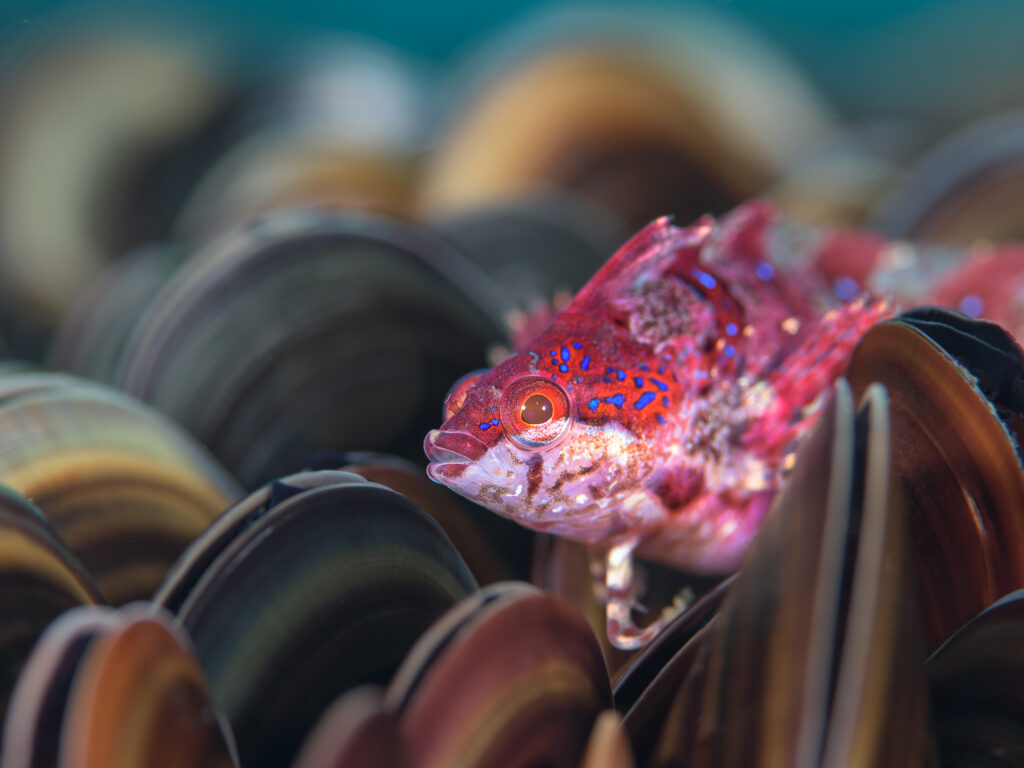
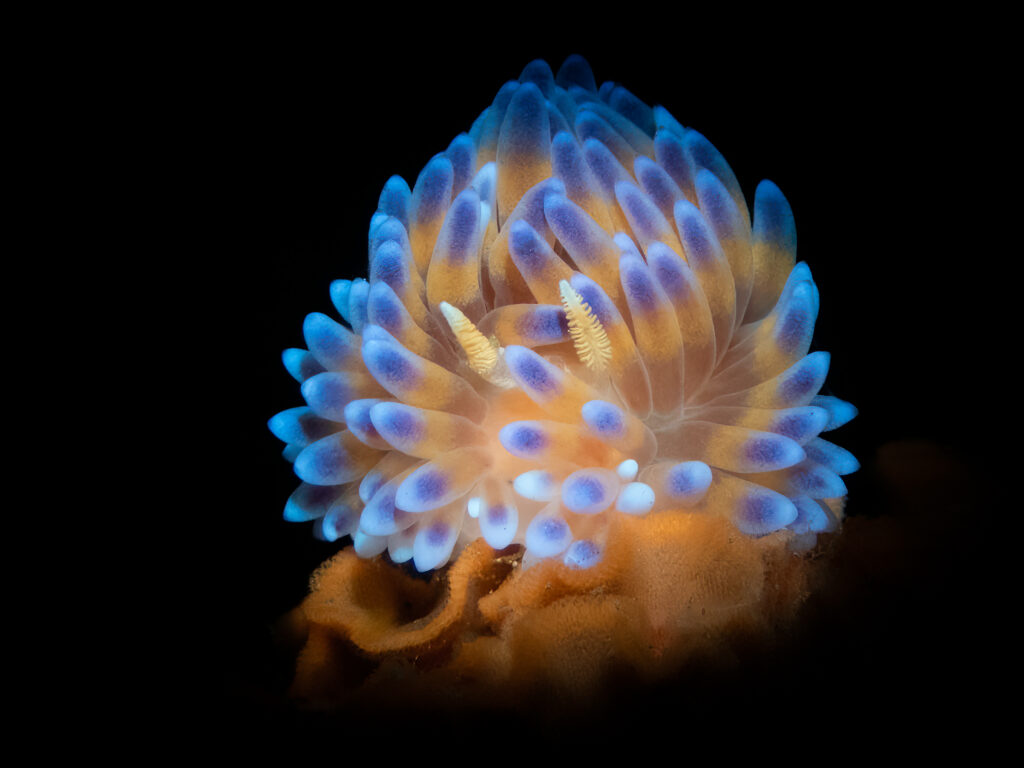
That was the push I needed. I took a deep breath and submitted two images: a golden klipfish, lit with a snoot, and a strawberry anemone backlit with the same technique so its translucent tentacles seemed to glow.
I remember the feeling of shock and disbelief when the results of the contest were published. The klipfish was crowned overall winner, and together, the two images took first and second place in the macro category. If I had let fear hold me back, that moment would never have happened.
I won’t pretend I’ve gone on to enter contest after contest since then. I haven’t. But over the years, I’ve entered top International contests and placed in the top three more times than I can count on one hand, picked up Honourable Mentions and Highly Commended along the way. I’ve also had plenty of entries that came nowhere at all. That’s the nature of photography contests: subjective, unpredictable, and immensely valuable all at once.
Competitions are one of the best ways to gauge whether your underwater photography is on the right track. Different judges favour different styles, so a photo that misses the cut in one competition might win outright in another. The trick is to keep putting your best work forward and learn something from every round, win or lose. That’s how you improve as a photographer, not by waiting until you feel ready, because that feeling rarely arrives on its own.


What judges are actually looking for
Every competition has its own personality, but most judging panels are weighing the same three things.
Technical excellence comes first. That means critical sharpness on the eye or focal point, checked at 100% zoom before you submit, correct exposure with no blown highlights, clean composition with nothing distracting pulling the eye away from your subject, and backscatter handled within whatever the competition’s editing rules allow.
Originality comes next. Pre-planned concepts more often than not beat lucky shots, and inspiration is not the same as imitation, so let whatever has caught your eye lead to your own version rather than a copy of someone else’s. A fresh technique or an unusual perspective on a familiar subject will always catch a judge’s eye faster than another straight-on portrait of the same creature everyone else photographed that week.
Ethical integrity closes the list, and it is non-negotiable. No staging, no baiting, no disturbing an animal to get the shot. If judges suspect manipulation or harassment of the subject, the image is discarded, and community scrutiny follows every big winner. If you would not be comfortable explaining exactly how you got a shot in a public interview, do not enter it. Post it for yourself instead.
Before you hit submit
A little preparation goes a long way. Choose the right category and read the rules twice, since you will not know you picked the wrong one until it is too late. Some contests reserve the right to move your photo to the right category – but most don’t, they will just discard it. There are many more others to choose from! Keep your strongest images in a dedicated folder with the RAW files close at hand, so you are never scrambling before a deadline. Compare your RAW file to your final edit and be honest with yourself about how far you have pushed it. And show the image to someone else before you send it. They are not attached to your dive story the way you are, and that distance is exactly what you need.
Choose your best image, not your best dive
You are more likely to succeed with your best pictures, not the pictures from your best dive. The two are not always the same thing. Detach emotionally from the memory, because your excitement about a moment underwater is not the same as a judge’s excitement about the frame in front of them.
Study past winners to understand what stood out, and notice what you disagree with too. One great image beats ten good ones, so enter fewer, stronger shots rather than flooding a category. Don’t enter similar photos into the same category of the same contest.
Match the image to the competition: the right shot, in the right contest, in front of the right judging panel. And resist the urge to spam the same photo across every contest and every social feed. Variety builds a reputation. Repetition just gets noticed and the contests prefer to have unique photos as their winners.

Inside the judging room
Thousands of entries flood in for any major competition. They are pre-screened against the rules first, then shortlisted down to the images that remain, before a panel debates and a winner is announced. The first cut is brutal, and it often happens before a single judge lays eyes on your photo. Non-compliant entries get eliminated at the rules check, which is exactly why reading the fine print twice matters more than any editing decision you will make.
Know the editing line
Most competitions draw a hard line: no cloning or removal of elements, and no changes to the background. AI backscatter removal tools sit in a grey area right now, and policies vary between competitions, so always check before you rely on one. If an image needs a lot of work to be competition-ready, that is usually a sign to enter something else instead.
Keep it in perspective
Photographers with decades of experience still enter fifteen or twenty images to win with just one or two. Everyone loses far more entries than they win. The same panel of judges, looking at the same images on a different day, might choose differently, and that is simply human. Once a photo has won somewhere, consider retiring it from future entries. Keep your best new work in reserve, because there is nothing quite like winning with a shot nobody has seen before. And remember that photography is not a sport. There is no scoreline that settles it the way a match does. Results do not define you. Your photography does.
So take the plunge. Enter your best images, trust the work you have put into them, and see where they take you. You might just find your name on a winners’ list too.
Just give it a go.
You can find a list of all the underwater photography contests: HERE
If you’d like to learn how to take competition-worthy shots with your TG camera, check out my TG Underwater Photography Made Easy online course. Got a compact, mirrorless or DSLR with manual settings? I have an online mentorship course just for you – check out my Confident Underwater Photographer online course.
I also offer 1-1 consulting to help you choose the right photos. Please contact me to arrange a Zoom call to go through your propose entries. I’d love to help you!