
Trip Report: Anilao Macro Mastery Workshop 2026
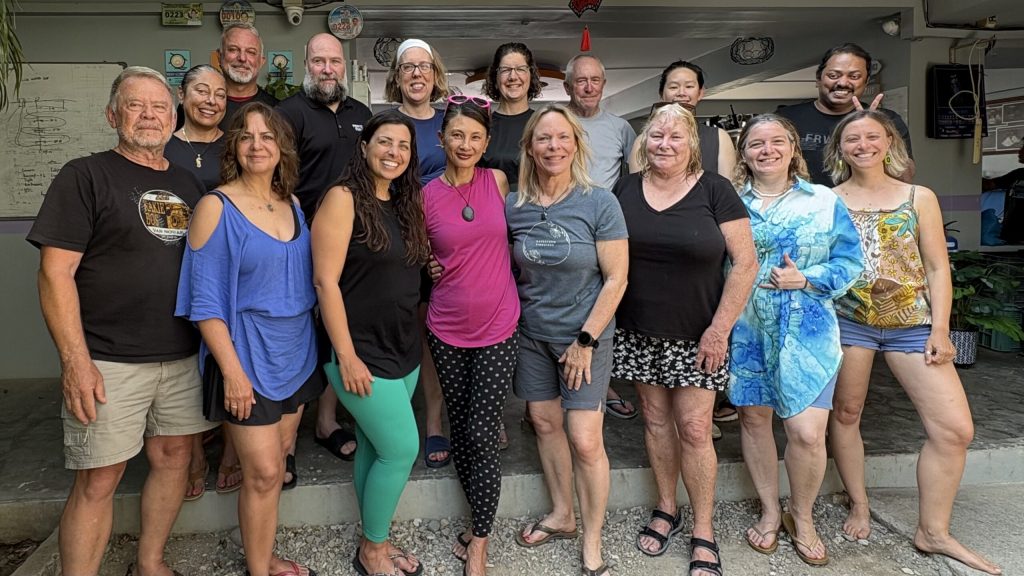
Ten nights, twenty-four dives, and fifteen photographers who joined us in Anilao this year.
Anilao has a way of loosening a stuck feeling. Tucked into Batangas, about two and a half hours south of Manila, it is one of the world’s great macro playgrounds: warm, calm water, dependable visibility, and a reef so thick with frogfish, seahorses, nudibranchs, mimic octopus and the occasional Rhinopias that most days the challenge wasn’t finding a subject, it was choosing which one. A few of the group even did some blackwater dives, drifting through open water at night for a glimpse of the alien-looking creatures that only ever surface after dark.
Cameras across the group ranged from TG-6 compacts to full-frame mirrorless systems, and everyone arrived at a different point in their own photography journey. Some had arrived with cameras they’d never used before, some hadn’t had their cameras in the water for months, and a few had been shooting confidently for twenty years but felt stuck in a rut.
That range is exactly why this workshop doesn’t teach one lesson to the whole room: we go well beyond basic settings and lighting fundamentals, building in genuine progressions at every stage, so a photographer who already has a technique down pat gets pushed past their comfort zone too – encouraging them to try new things so that they continue to grow their skills and repertoire.
Before anyone arrives, I find out what each person wants to walk away with, so the ten days can be shaped around their own goals rather than a one-size-fits-all itinerary. The aim, always, is for every person to leave having exceeded what they thought was possible.
What We Worked On
Across ten days, the group built their skills in order, foundations first, creativity second, going well beyond just camera settings:
- Getting genuinely sharp images, whatever camera you’re shooting
- Using a diopter to fill the frame with tiny critters
- Positioning strobes for even, creative lighting
- Mastering the snoot for dramatic, isolated lighting
- Shooting bokeh and other creative backgrounds
- Composing images that tell a story, not just identify a critter
- The mindset and storytelling that turn a technically good photo into a genuinely memorable one
- How to create a real connection with a subject and bring emotion into an image
- What it actually takes to enter, and place in, an underwater photo contest
Some of our photographers’ stories
I’d love to share the stories of some of our participants – in their own words, because nothing shows what this workshop actually does better than hearing it from the people who lived it.
Paul – Dauin, Philippines (originally Seattle, USA)
Paul had lived a fifteen minute drive from some of the world’s top reefs for years and hadn’t had his camera in the water for six months. He’d shot the same subjects with the same snoot for so long that he’d run out of reasons to pick it up: technically fine photos that all looked the same, and a quiet worry that his passion for the hobby was simply gone.
The shift for Paul wasn’t new gear, it was permission to use what was already in his bag differently. Once he saw how much creative range existed beyond one lighting technique, he stopped shooting every critter he saw and started asking whether there was a story worth telling first.
“I now don’t shoot every critter I see just to capture it. I look at the activity, the surroundings, and try to understand if there is a story the critter would tell viewers before setting up for a shot. Not only is Kate a very authentic teacher and coach, the people who join are also very like-minded, so it makes for a very enjoyable and informational time. Egos are not allowed.”

Erica – Mexico City, Mexico
Erica arrived as a relative beginner with a photo exhibition booked for May and nothing ready to put on the walls, worried that buoyancy, positioning, lighting and settings all at once would simply be too much to hold together underwater.
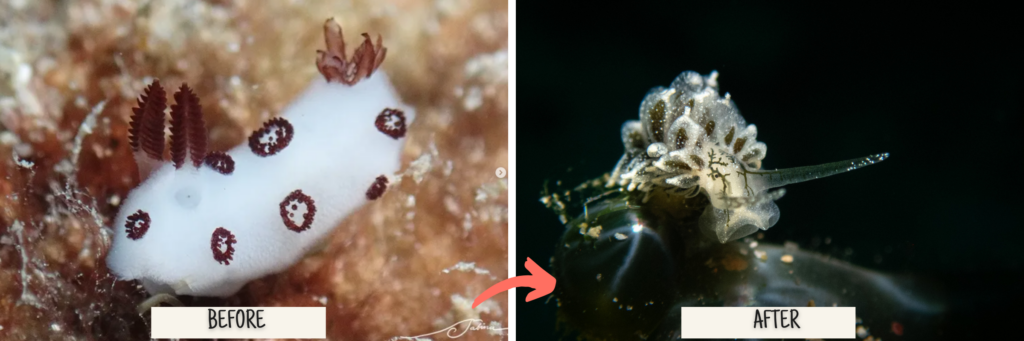
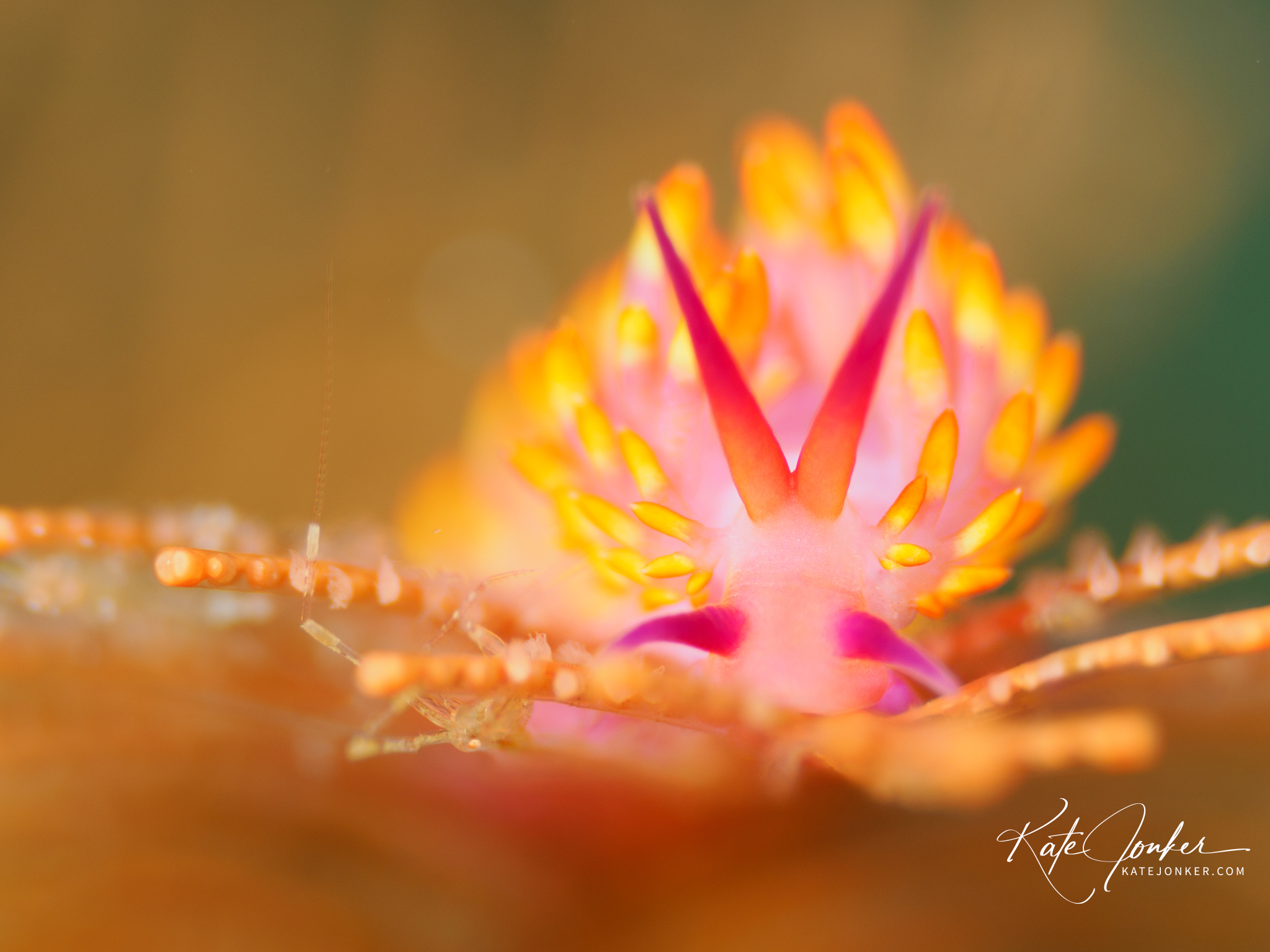
The turning point came with a nudibranch in front of her lens and a snoot she’d been dreading. Once she saw what it produced, the anxiety running underneath every dive genuinely lifted, and she came home with images she was proud to hang.
“It almost seemed impossible, from finding the subject, to getting in the right position, controlling your buoyancy, getting your camera in the right position, oh, and don’t forget to breathe. By the end, I felt very happy that I was able to enjoy the moment when I had a nudibranch in front of me and I didn’t feel anxious anymore. I absolutely recommend Kate’s course, it’s been a before and after for me.”

Melissa – California, USA
Melissa arrived having taught herself everything by trial and error, and admitted she’d started out hating her own snoot, because the surge at her home reef made it almost impossible to practise. What she wanted wasn’t a brand new technique, it was a foundation she could actually build on, a reason certain settings worked, rather than a setting she’d stumbled into once and could never repeat.
“My snoot had become a source of frustration rather than joy. What I wanted was a structured foundation, and that’s exactly what I left with. Inclusive of all skill levels and camera set-up, no matter what camera a person has, Kate’s workshop has something valuable to provide.”

Shireen – California, USA
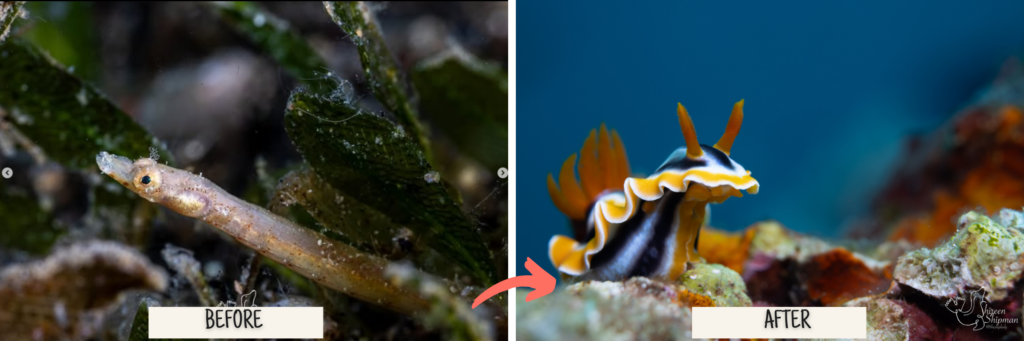
Shireen arrived confident: an experienced wide angle and snooted macro shooter who had simply avoided everything else. Without a snoot, her full-frame mirrorless was strangely producing softer, hazier results than her compact, and she couldn’t work out why. The answer turned out to be a lightbulb moment about aperture as a creative decision rather than a technical guess, and a problem she had quietly carried for years disappeared inside a single lesson.
“My biggest lightbulb moment was understanding how to use aperture as a creative tool, how depth of field separates your subject and makes it the star of the shot. A haze problem I’d been battling for years turned out not to be a gear problem at all, once I understood the settings, it was solved.”
Shannon – USA
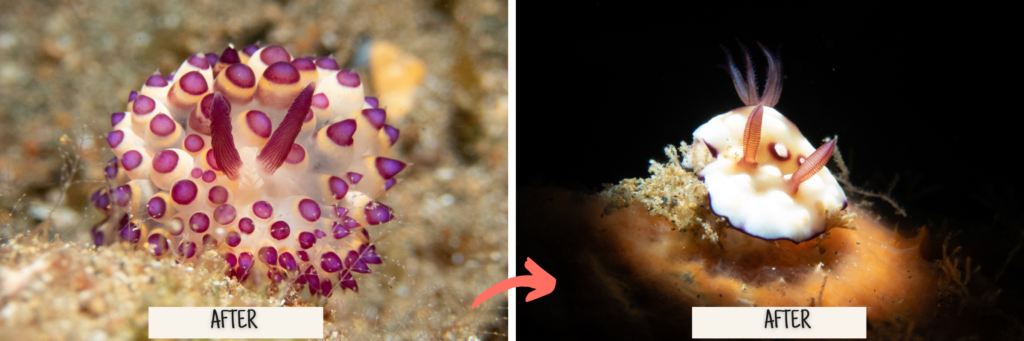
Shannon had the gear, a snoot, a mini flash, and next to no chance to actually use it, since dive trips usually meant following a divemaster with zero room to experiment. Her results had been bad enough that she’d deleted every underwater photo she had ever taken. One idea, on day one, rewired everything: the flash mode she’d been relying on was unreliable, and manual control was the missing piece all along.
“I can’t say enough about how collaborative and encouraging the workshop was. The wide range of experience among the participants could have created an intimidating environment, but it was the opposite. Everyone was so willing to talk about how they created a certain picture. Truly an amazing experience!”
Shannon had no “before” photos so here are two “after photos”.
Sabina – Hawaii, USA
A returning student, Sabina came back specifically to practise techniques that Hawaii’s surge and tight dive sites make almost impossible at home, and to troubleshoot lighting that had turned unpredictable for no reason she could pin down. What she found wasn’t a new secret, it was permission to return to fundamentals she already knew and actually use them with intention, instead of pointing and hoping.
“I keep forgetting the versatility of the simple settings. This workshop reminded me that what I need isn’t always something new, sometimes it’s a reason to go back to what I already know and actually use it. A super useful overview of the approaches and techniques that can help you understand your gear, your settings, and what you need to do to get photos you’ll love.”
The Group
If there’s one thread running through every conversation from this trip, it’s the group itself. Hailing from the USA, Hawaii, India, France, South Africa, Australia, the UK, Mexico and the Philippines, Kate connected everyone before the trip even starts through a group chat, so by the time the first boat pulled away from the dock, most of the group already felt like old friends. On the boat and over dinner, the sharing extended well past technique: dive site knowledge, settings troubleshooting, and plenty of encouragement to keep trying a technique that wasn’t clicking yet.
Cameras included Canon R5s, Sony A7Riv, Olympus EPL9, Canon 80D, Canon G7Xmkiii, TGs, OMD EM10 iv. OM1 mkii and GoPro
Life at Anilao Photo Academy
Home for the ten nights was Anilao Photo Academy, a resort built by photographers, for photographers: spacious en-suite rooms, a dedicated workstation for camera gear, and a communal dining area where the day’s dives got picked apart over family-style meals.
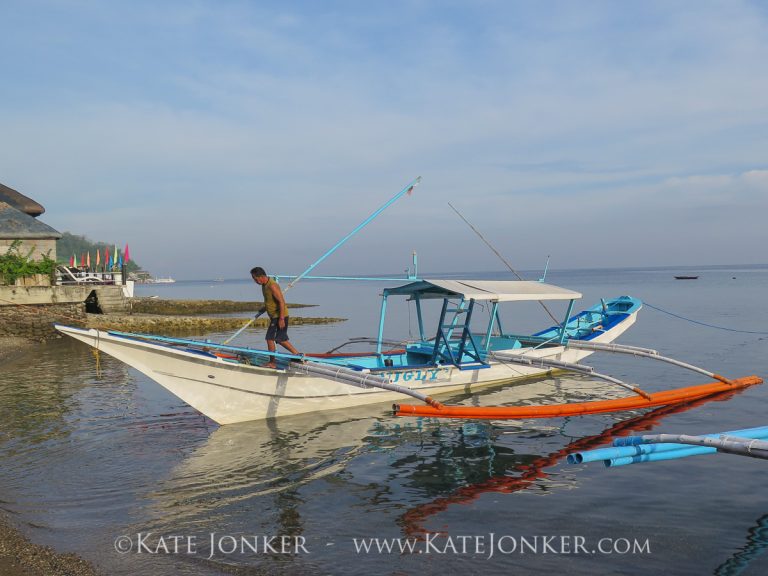
Diving here is relaxed and done from local boats known as bangkas, in balmy water with comfortable visibility, which meant more time actually practising a technique and less time fighting conditions to do it.
Evenings folded into image reviews, a chance to look honestly at the day’s unedited photos and figure out exactly what to try differently tomorrow.

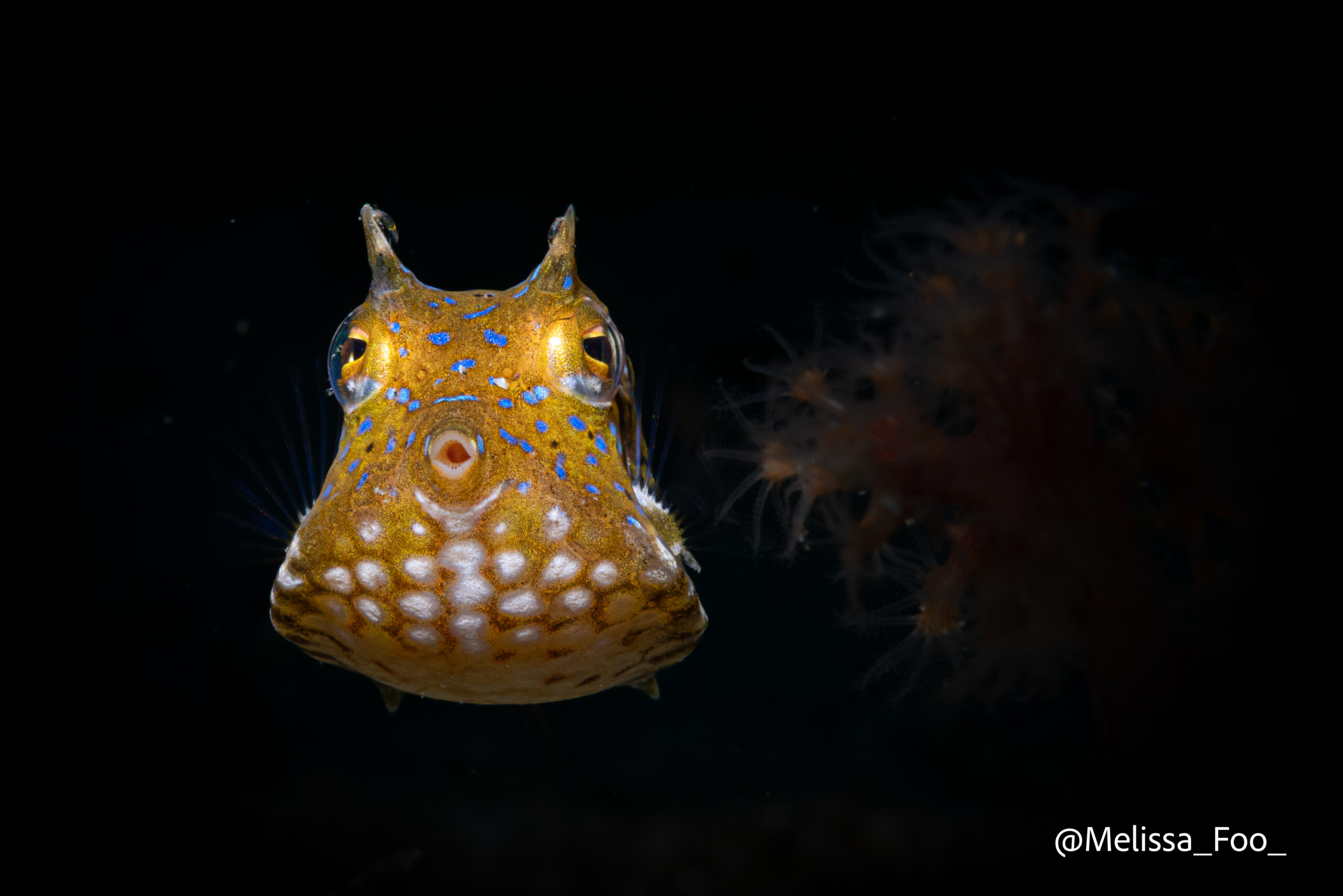
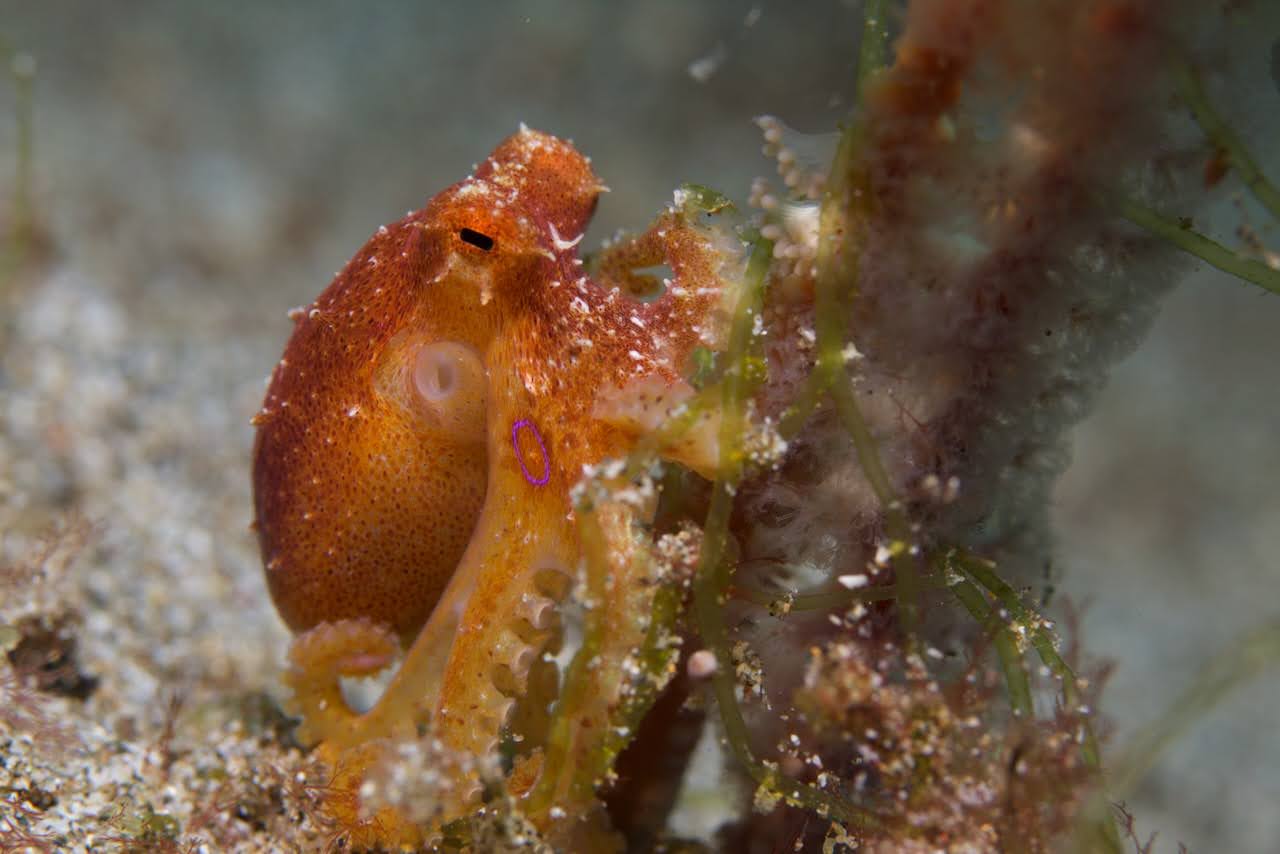


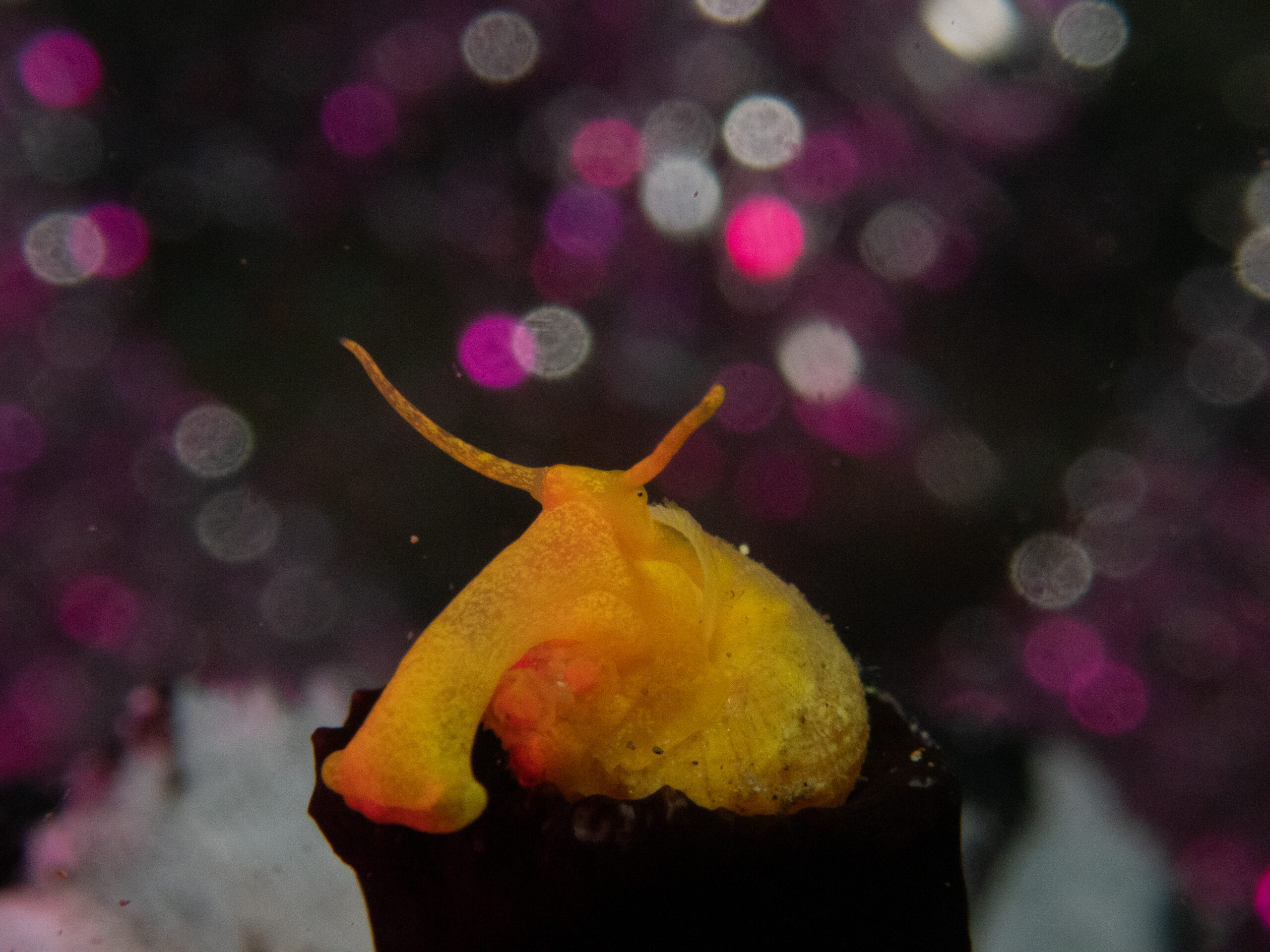


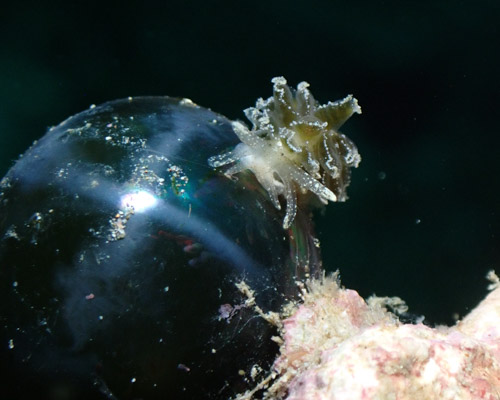

Different Journeys – different goals
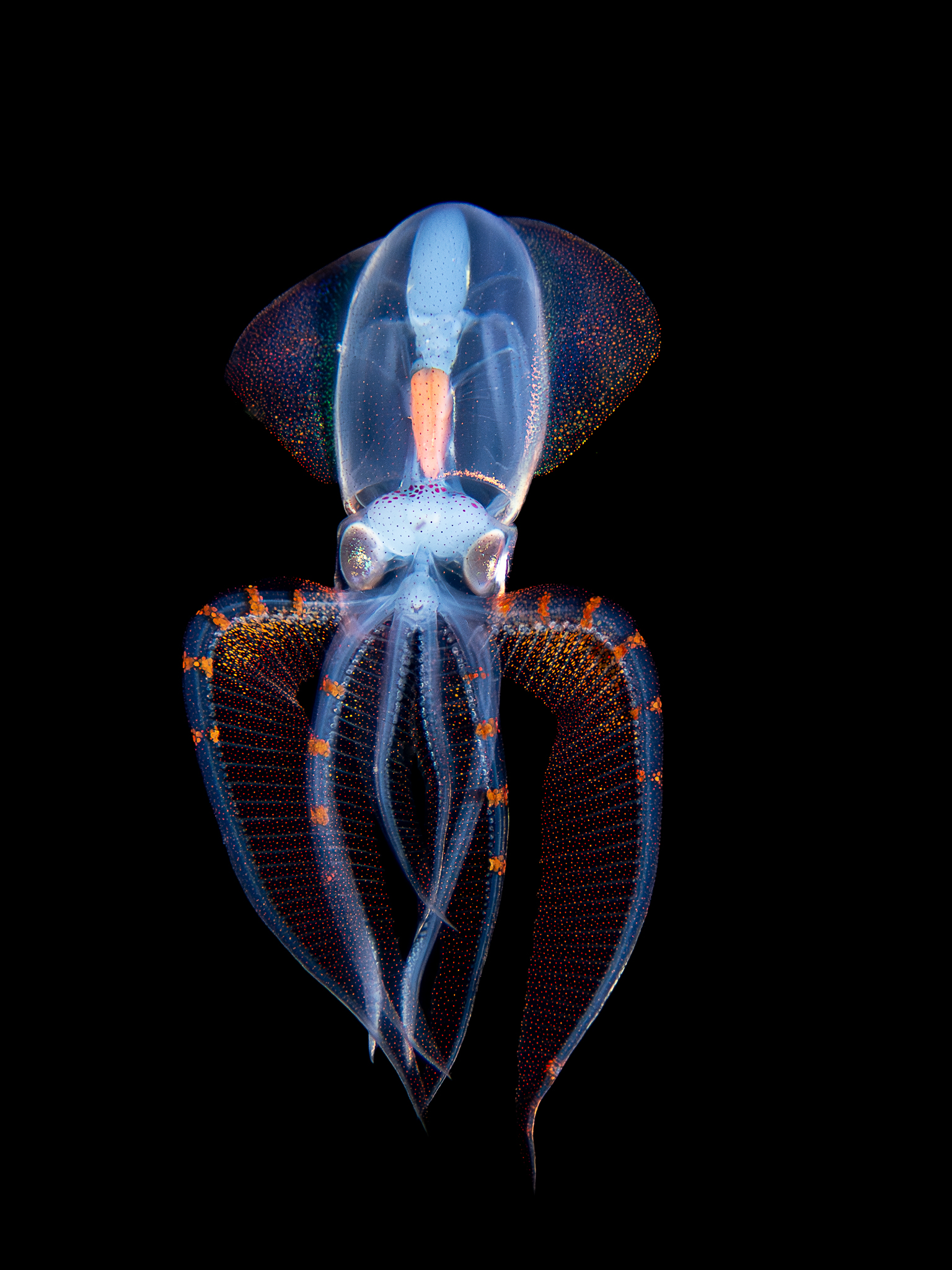
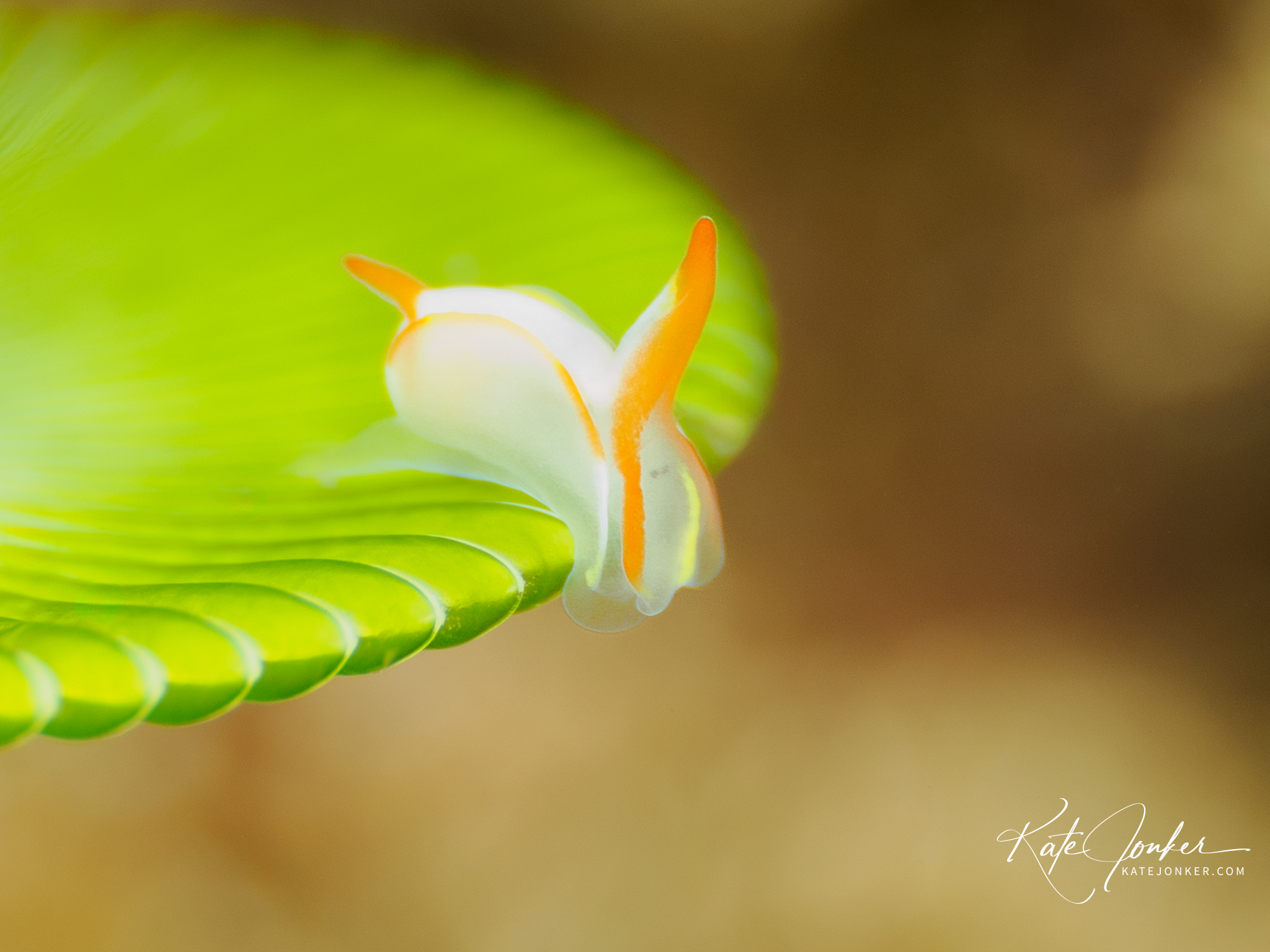
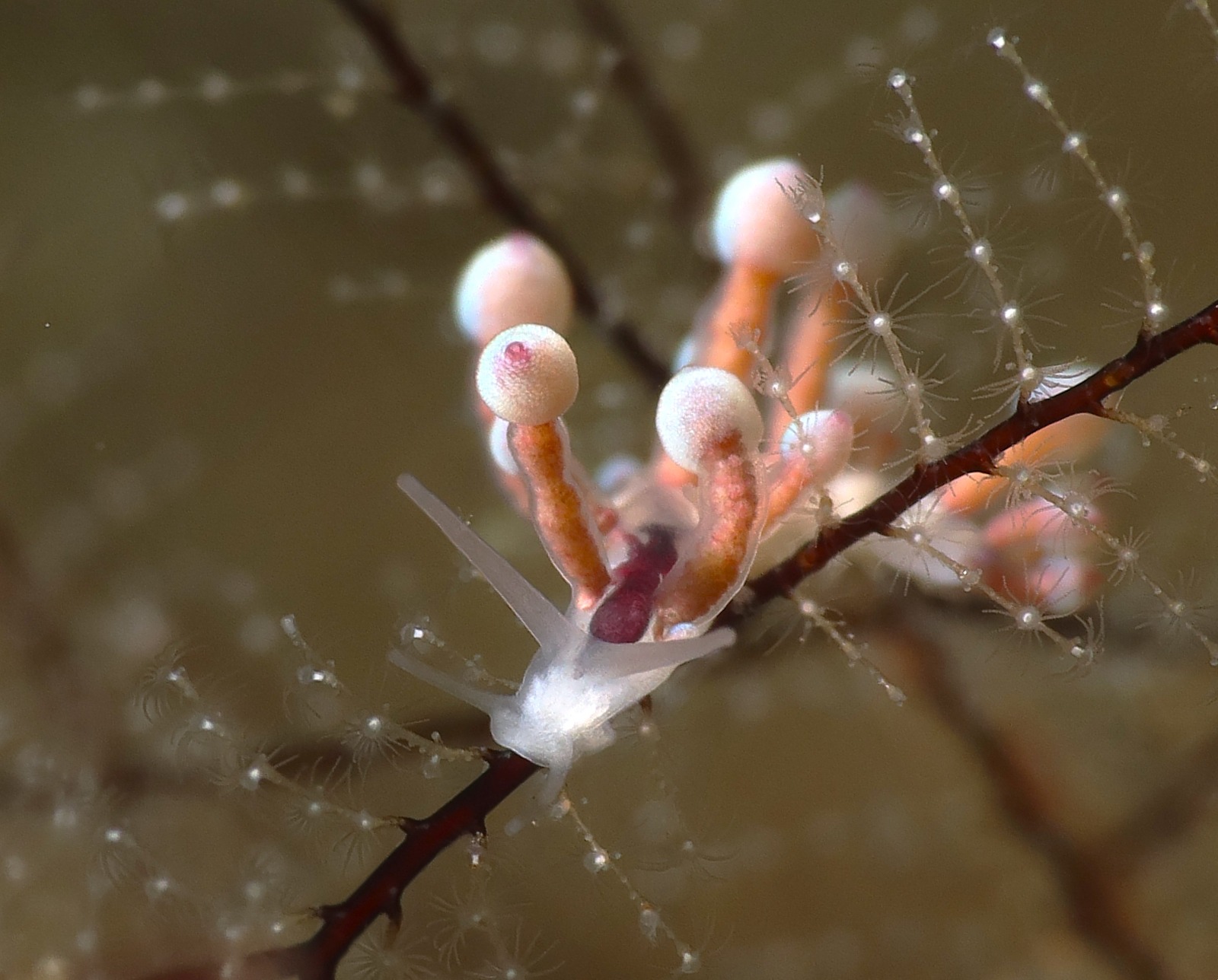
All our photographers arrived at different places on their journeys – and with different goals and frustrations – snoots gathering dust, cameras they’d stopped trusting, a hobby some of them were quietly worried they’d lost the spark for, and left with specific, hard-won breakthroughs, the kind that don’t fade the moment you’re back on dry land.
A huge congratulations to everyone on their progress, and a very big thank you to everyone who joined us for this workshop – we are proud of all your achievements!
If any of these stories sound familiar, and you’d like to join one of our 2027 workshops, please CLICK HERE for all the details.