
Trip Report: Lembeh Macro Mastery Workshop 2026

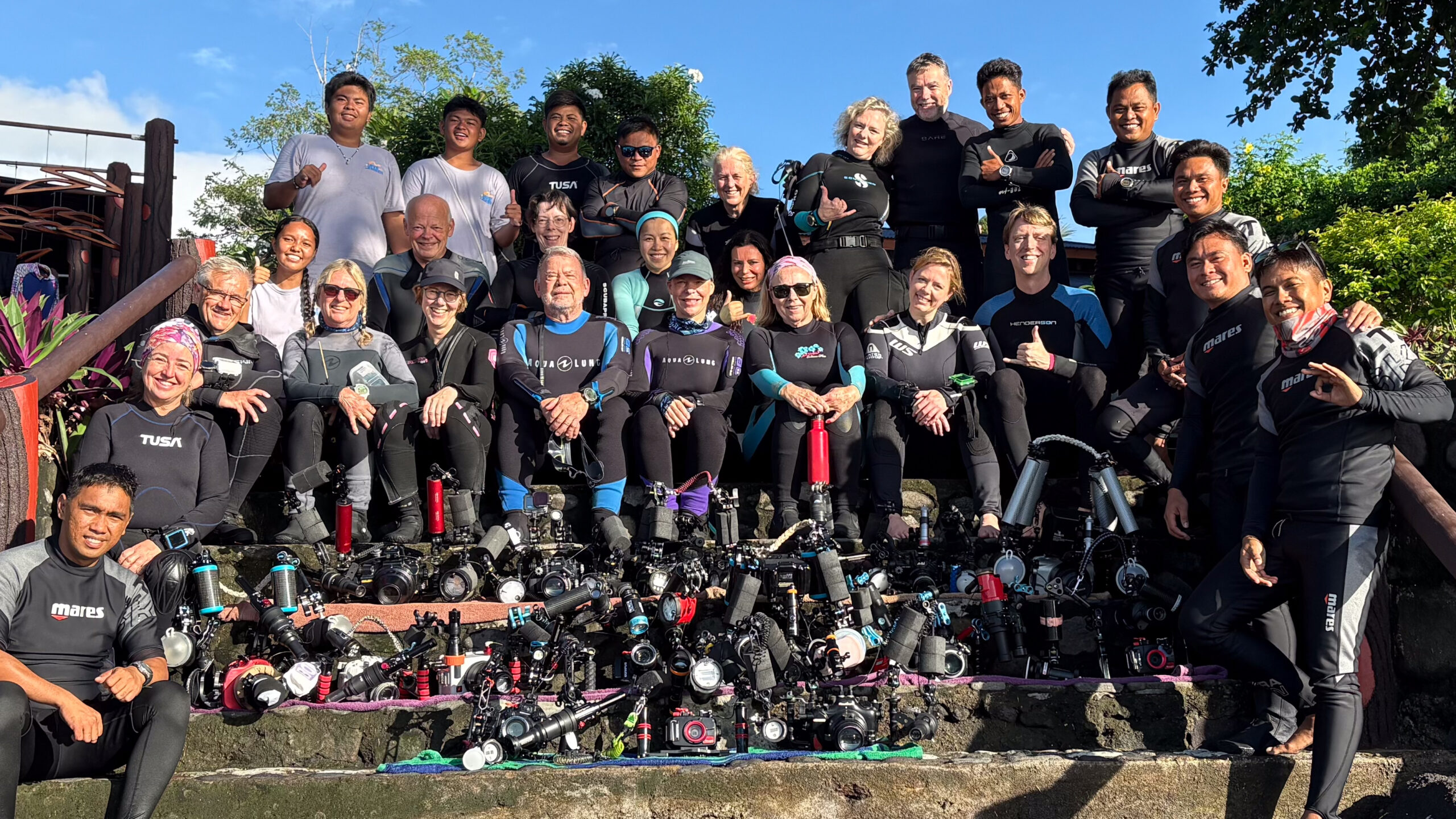
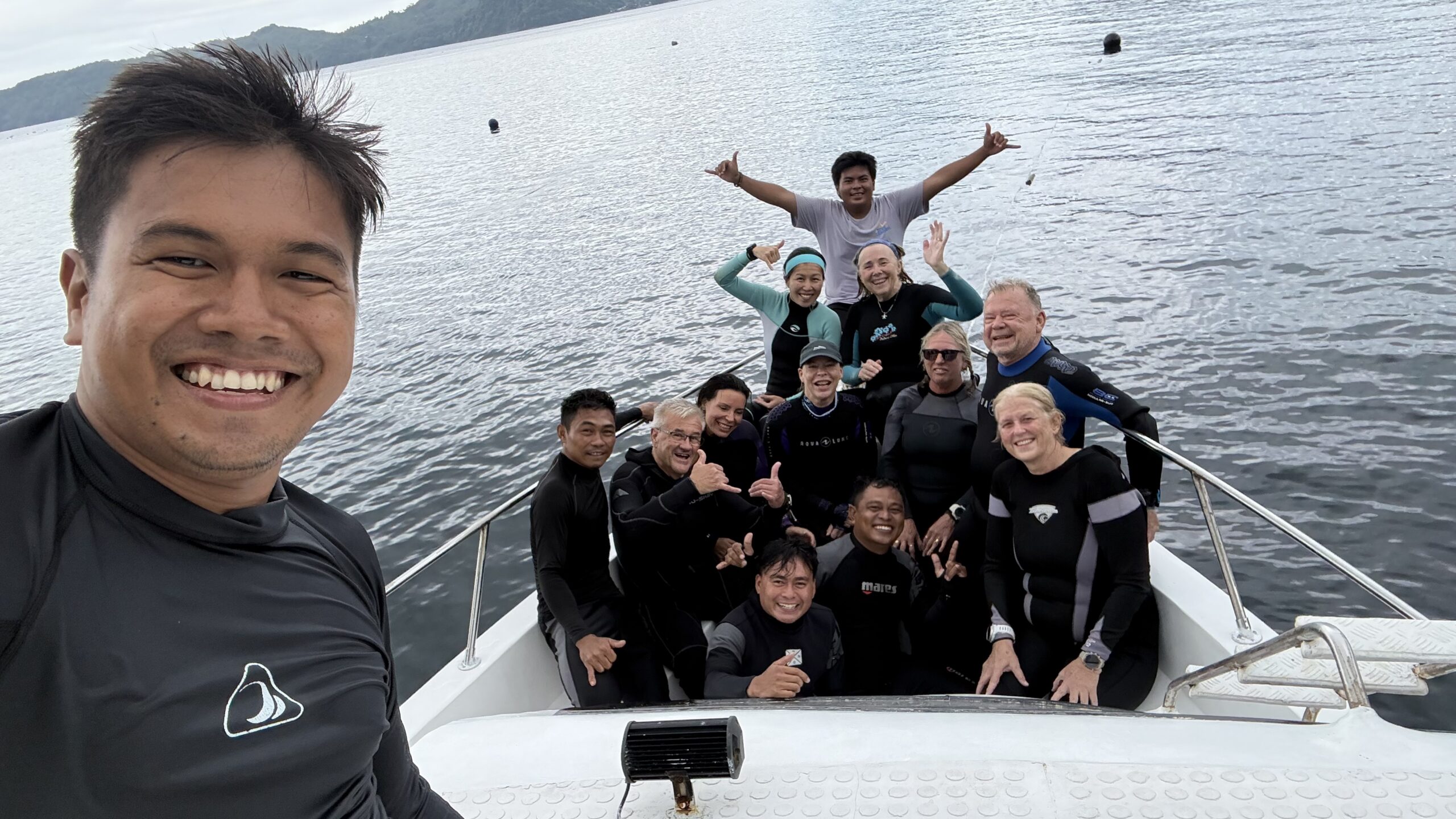
Ten days of muck diving in the most famous stretch of black volcanic sand in the world, twenty-four dives, and fourteen photographers who joined us in Lembeh this year, pulled from Germany, Australia, Hong Kong, Denmark, Belgium, USA, New Zealand, Canada and beyond.
Lembeh Strait doesn’t do subtlety. It does frogfish barely bigger than a thumbnail, mimic octopus mid-transformation, and nudibranchs in every colour going, all scattered across a black sand bottom that swallows ambient light and forces you to think seriously about exactly how you’re lighting your subject. By reputation and in person, it is one of the best classrooms in the world for precisely the techniques this workshop is built around.
This group’s gear list alone told a story: TG-6 compacts, Olympus and OM mirrorless systems, and Canon and Sony bodies, several of them brand new and barely tested before the trip.
A handful of photographers were on their first ever workshop. Others, like Fraser, Silke, Nicole and Linda were back for repeat workshops, and Niels arrived on his tenth visit to Lembeh alone, still chasing a breakthrough years of self-taught effort hadn’t given him. That’s who this workshop is actually built for, not one type of photographer, but every stage between never having tried this before and having tried it for two decades.
The lessons go well beyond basic settings and lighting, with real progressions built into every technique, so someone who already has a skill dialled in gets pushed somewhere new rather than sitting through the same beginner version as everyone else. I find out what each person actually wants before they arrive, so the ten days get shaped around their own goals, not a fixed script. Whatever they came in hoping for, the aim is always to leave having gone further than that.
What We Worked On
Across ten days, the group built their skills in order, foundations first, creativity second, going well beyond just camera settings:
- Getting genuinely sharp images, whatever camera you’re shooting
- Using a diopter to fill the frame with tiny critters
- Positioning strobes for even, creative lighting
- Mastering the snoot for real, dramatic black backgrounds
- Shooting bokeh, blue backgrounds and other creative techniques like backlighting and motion blur
- Composing images that tell a story, not just identify a critter
- The mindset and storytelling that turn a technically good photo into a genuinely memorable one
- How to create a real connection with a subject and bring emotion into an image
- What it actually takes to enter, and place in, an underwater photo contest
Some of our photographers’ stories
I’d love to share the stories of some of our participants – in their own words, because nothing shows what this workshop actually does better than hearing it from the people who lived it.
Jandré – New Zealand
This was Jandre’s first ever photography workshop, and his biggest frustration going in was focus and getting technically fine photos that never felt outstanding. This was the first time he had used a DSLR underwater and the result from day one was genuinely sharp shots – something that happened much faster than he expected.
“Previously it was just taking a photo of a subject, and now it’s trying to tell a story. It really doesn’t matter what level you are, this workshop caters for all skill levels. Don’t ever feel you’re not good enough. I couldn’t stop smiling every time I look at my photos just by implementing the techniques you learn.

Marcia – Australia
Marcia arrived stuck in a rut she could describe precisely: years of macro images that all looked the same, and a habit of firing fifty near-identical frames the moment she got excited about a subject. She nearly abandoned her snoot after the first dive, but the workshop’s structure of returning to the same technique across multiple dives changed that. By the end she was carrying it on every dive because she wanted to, not because she had to.
“I almost gave up on the snoot after the first dive. But after we moved to the next technique, I found myself carrying it on every dive, because I wanted to use it more. I can now look at a scene and make more deliberate choices about composition and exposure, rather than simply reacting to it.”
Linda – Australia
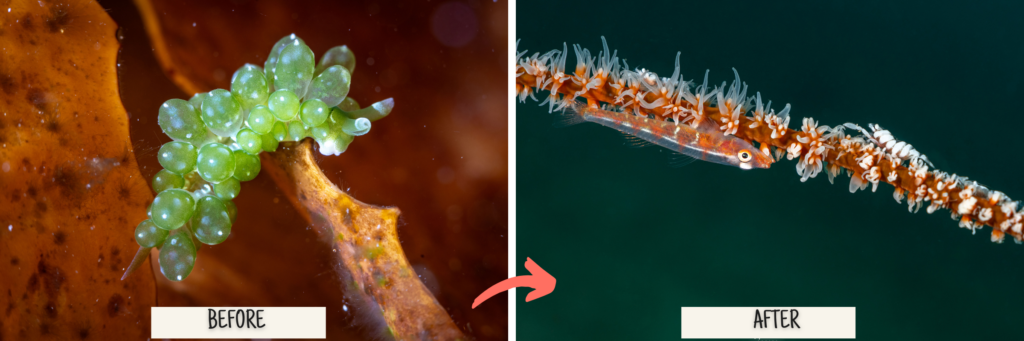
A returning student from Bali in 2024 and Lembeh 2025, Linda came back with sharper goals this time: fewer photos, far more deliberate ones, and a specific problem where her bokeh images kept turning pale and soft at wide apertures. Both were solved during the workshop, and she left with a much wider sense of the creative options already sitting in her camera bag.
“If you’re interested, don’t hesitate. The investment of time and energy will pay you back many times over with stunning images that reflect your personal vision.”

Vanda – Belgium
Vanda’s photography before the workshop was, in her own words, often lucky rather than intentional: good shots she couldn’t explain or repeat, and a diopter she owned but had never used. Coming purely to focus on learning, she left with something she’d never quite had before: control.
“Before the trip, I was happy if I got a good photo. Now I have more control, I decide how I want it to look. I’ve become more selective about the photos I take, and I’ve learned not to waste valuable time taking countless shots of the same subject.”
Marjon – Perth, Western Australia
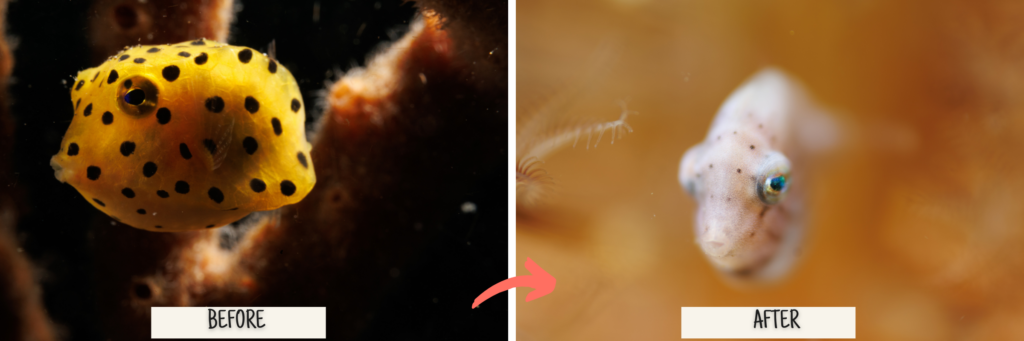
With close to 1,600 dives and a signature face-on bokeh style already recognised within her home photography club, Marjon didn’t need a new style, she needed sharper execution of the one she already loved. One specific focus technique changed that almost immediately.
“Being told the technique of focusing in the middle of the critter’s eyes to get focus on both, I will be practising this so much! And definitely thinking more about waiting and looking before shooting, and telling a story rather than just taking a photo. For me to be in tears at the farewell said it all.”

Vivian – Hong Kong
Vivian arrived mid-upgrade, moving from a compact camera she had outgrown to a mirrorless system she had never used underwater, hoping the timing of the workshop would help her learn it properly from the very first dive. It did, and it also shifted something bigger: she stopped photographing subjects in isolation and started paying attention to the whole scene around them.
“I would highly recommend this workshop, not only do we get in-depth knowledge about techniques, settings and storytelling, but we also got one-on-one image review, where you get quick, honest and straightforward feedback on how to improve.”

Silke – Germany
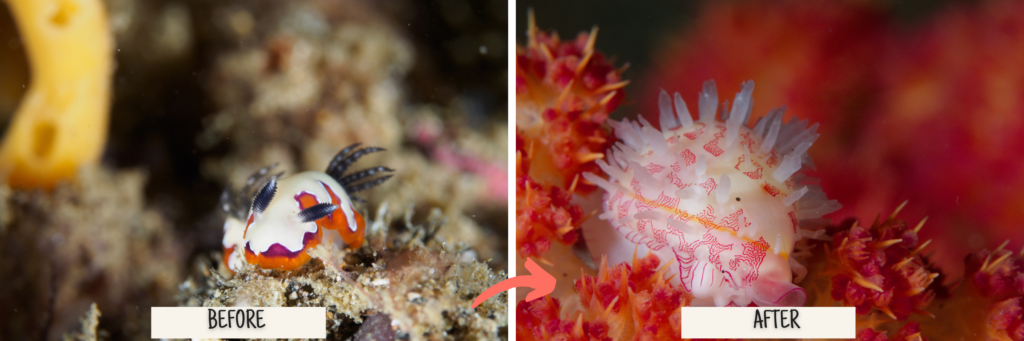
A returning student from Kate’s Bali workshop, Silke arrived with her technique largely sorted, her real challenge sat elsewhere: consistency, and a perfectionist streak that made it hard to feel satisfied with genuinely strong work. She left with a different relationship to her settings, using them as creative decisions rather than a checklist to get right.
“Before the workshop I often felt unsure because I didn’t know how best to showcase the subjects, or which camera settings to use to create a certain background or mood. By the end, I approached image composition with much more confidence.”
Nicole – Germany
New to a mirrorless Canon R7 after years on a compact, Nicole arrived a little overwhelmed by how much there suddenly was to think about, and admitted she’d caught herself taking pictures in a rush rather than waiting for the moment. The shift came once she trusted her new gear enough to stop worrying about it mid-dive and actually watch her subject instead.
“Go for it! Kate gives you a theory foundation for techniques with a very structured approach, which you can directly practise and evaluate with her in picture reviews, and also just diving with her if you want. And then the group makes you learn and have a good time.”
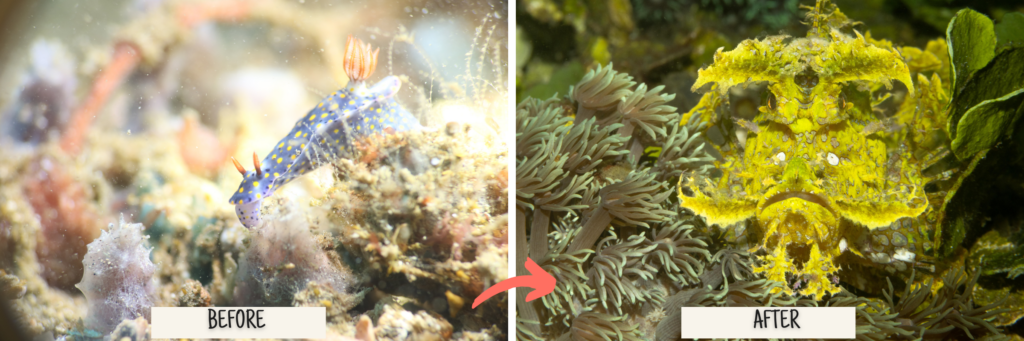
Fraser – British-Canadian, Campbell River
A dive shop professional and returning student from Kate’s Bali workshop, Fraser came back specifically because that first trip had been one of the best of his life. His honest starting point: he tended to shoot a subject a few times and move on rather than really working it, plus a new macro accessory he hadn’t yet found his range with.
“I’d wholeheartedly recommend it. My approach is different now, I find myself looking at a subject and wondering which of the techniques would best suit and make the subject the star of the show.”
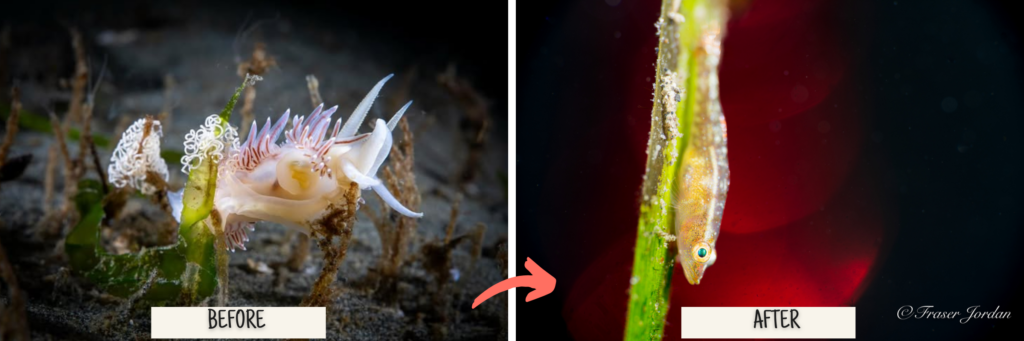
Niels – Denmark
Ten previous trips to Lembeh and years of self-directed effort hadn’t produced the breakthrough Niels was looking for, just flat looking images on a black sand bottom that never quite matched what he’d seen with his own eyes. What he found instead was reassurance that his backscatter problem was smaller than he thought, and a fresh set of ideas for controlling light that gave him, in his own words, the energy to pick up his camera again.
“This course has given me a better overview and much more self-confidence in taking pictures underwater. It has given me back the energy to take pictures underwater.”
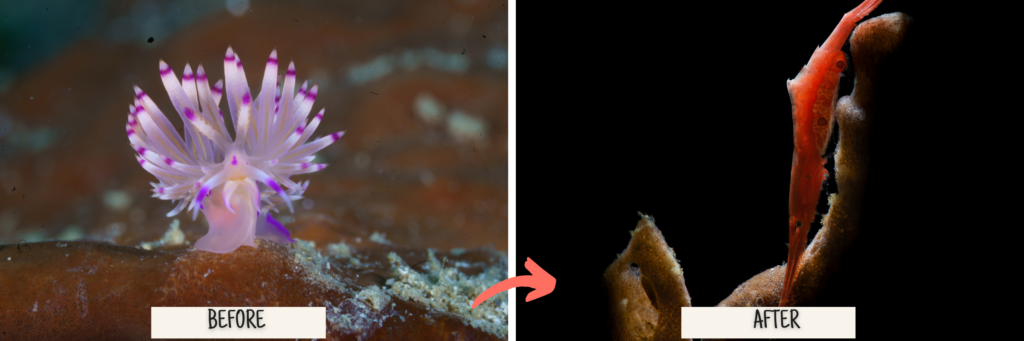
Candice – USA
Three years self-taught on a mirrorless camera she had never even used above water, Candice arrived believing a good photo was mostly a mystery she hadn’t cracked. What changed her mind wasn’t one setting, it was a full foundation she had never had, delivered alongside a generous group who lent her gear when her housing flooded partway through the trip.
“Don’t hesitate. Do it. I’ve been shooting for 3 years and I never learned as much as I did in the 10 days I spent on Kate’s workshop. I’m 100% a convert now to taking photo workshops.”
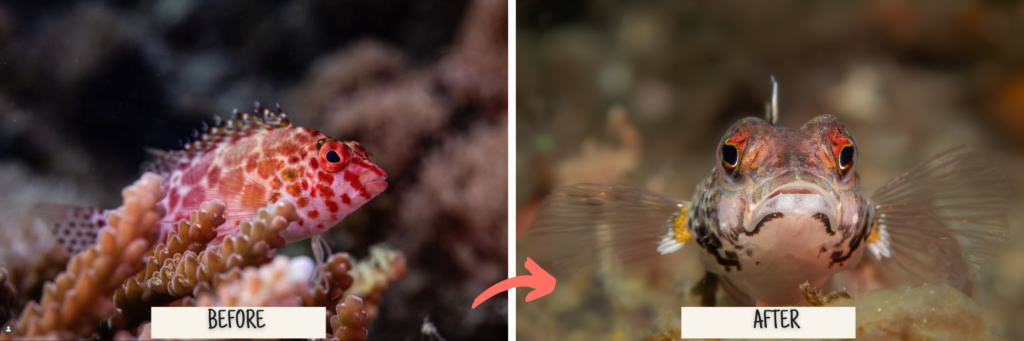
The Group
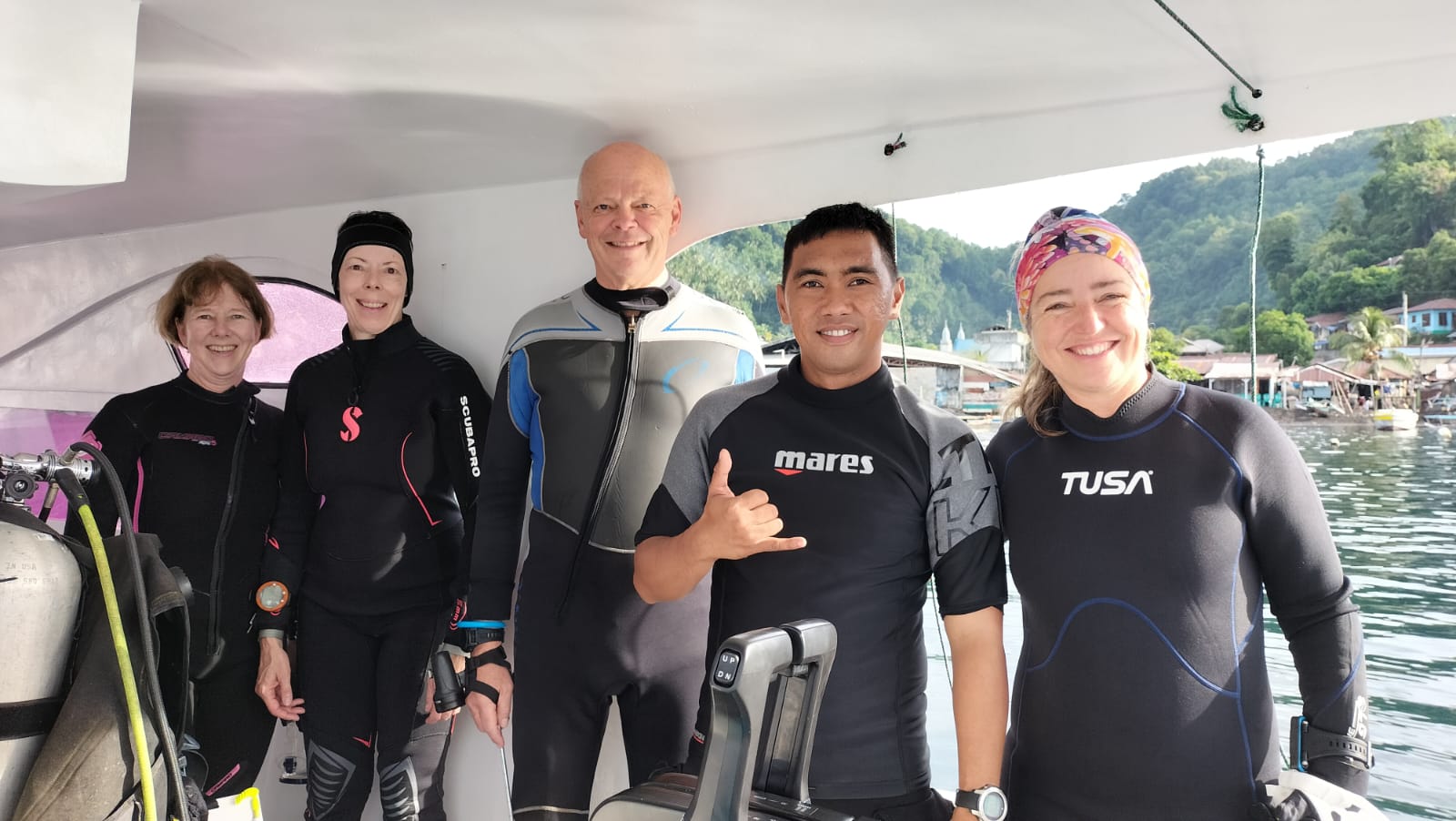
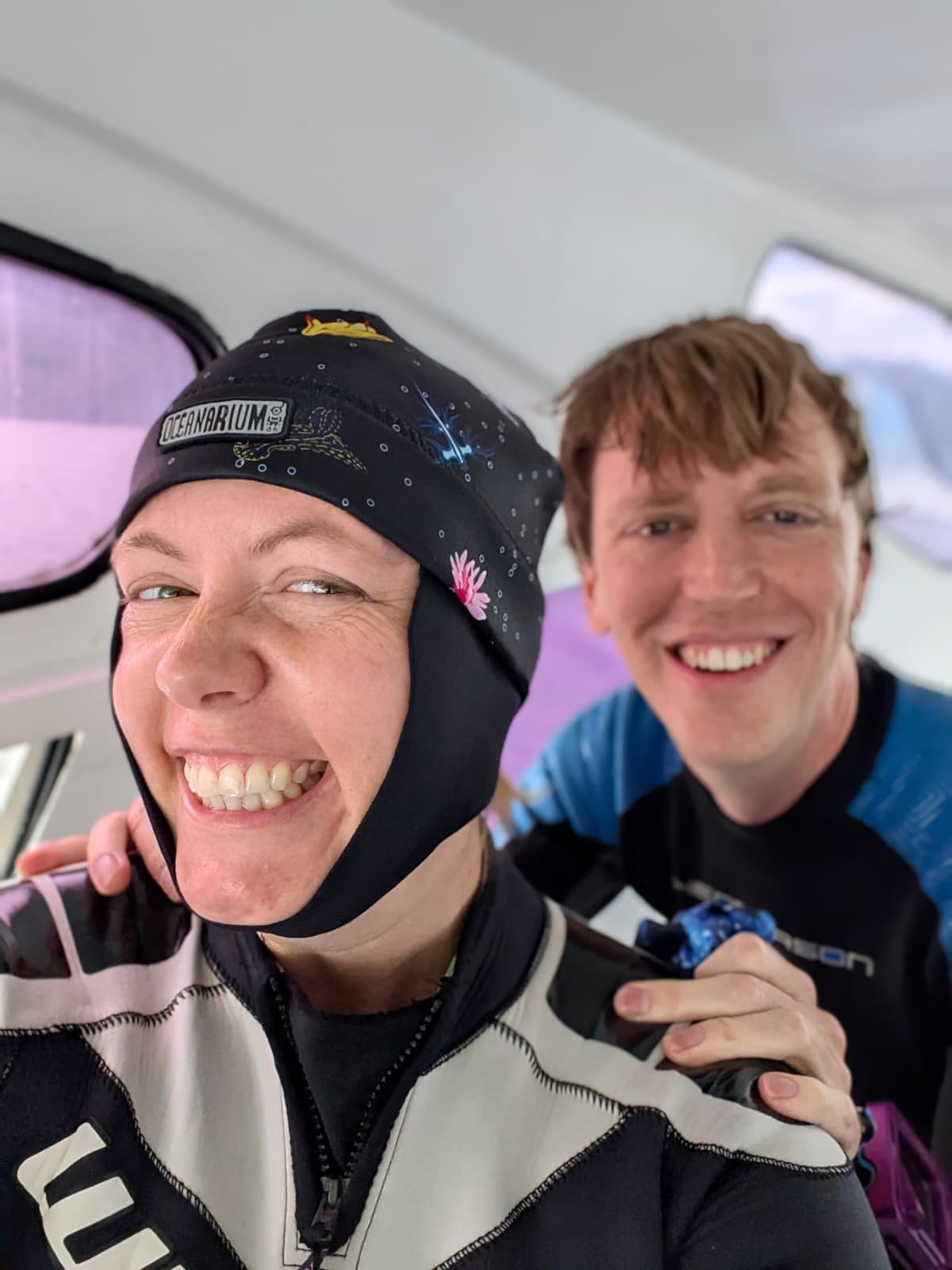
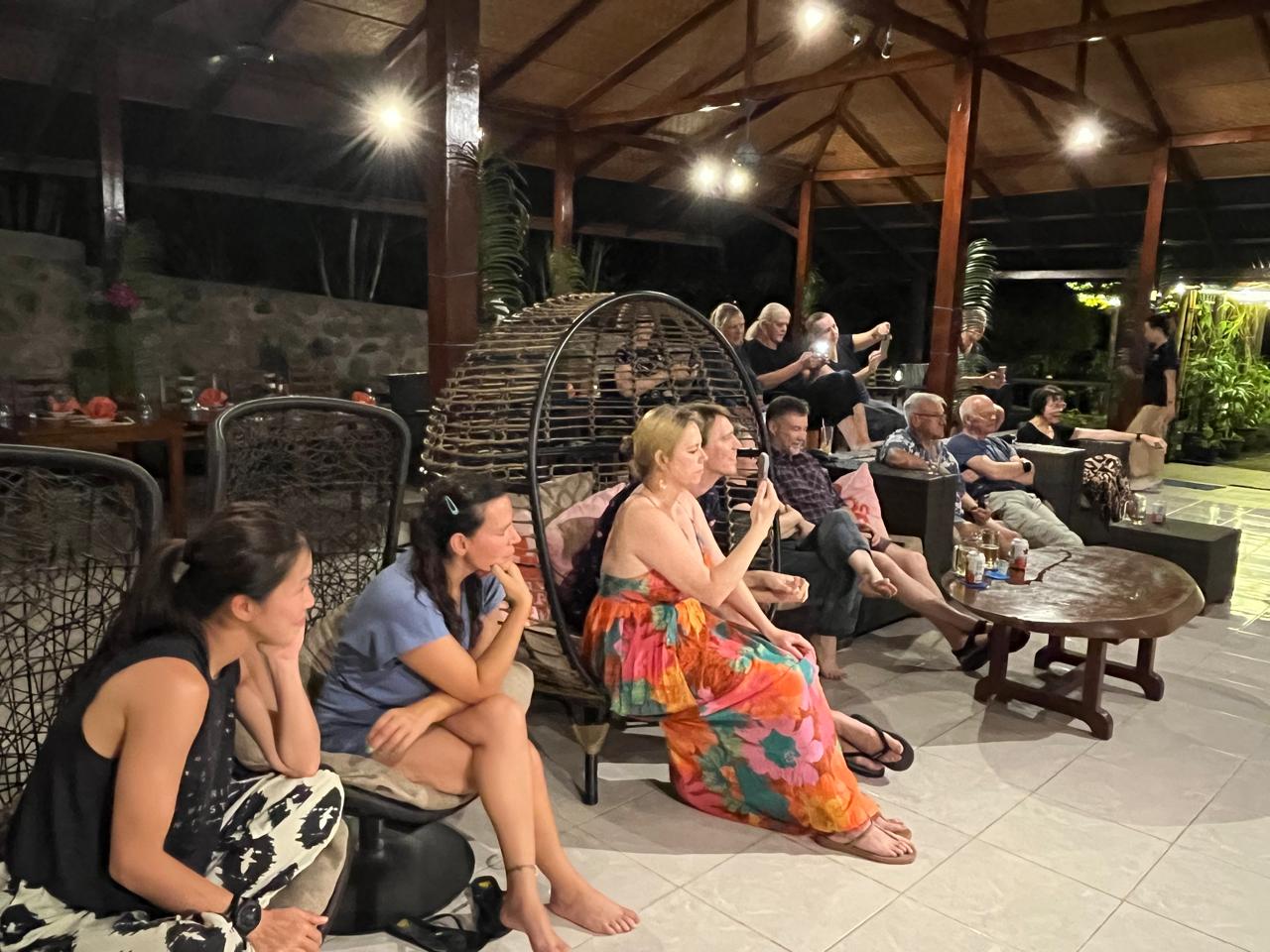
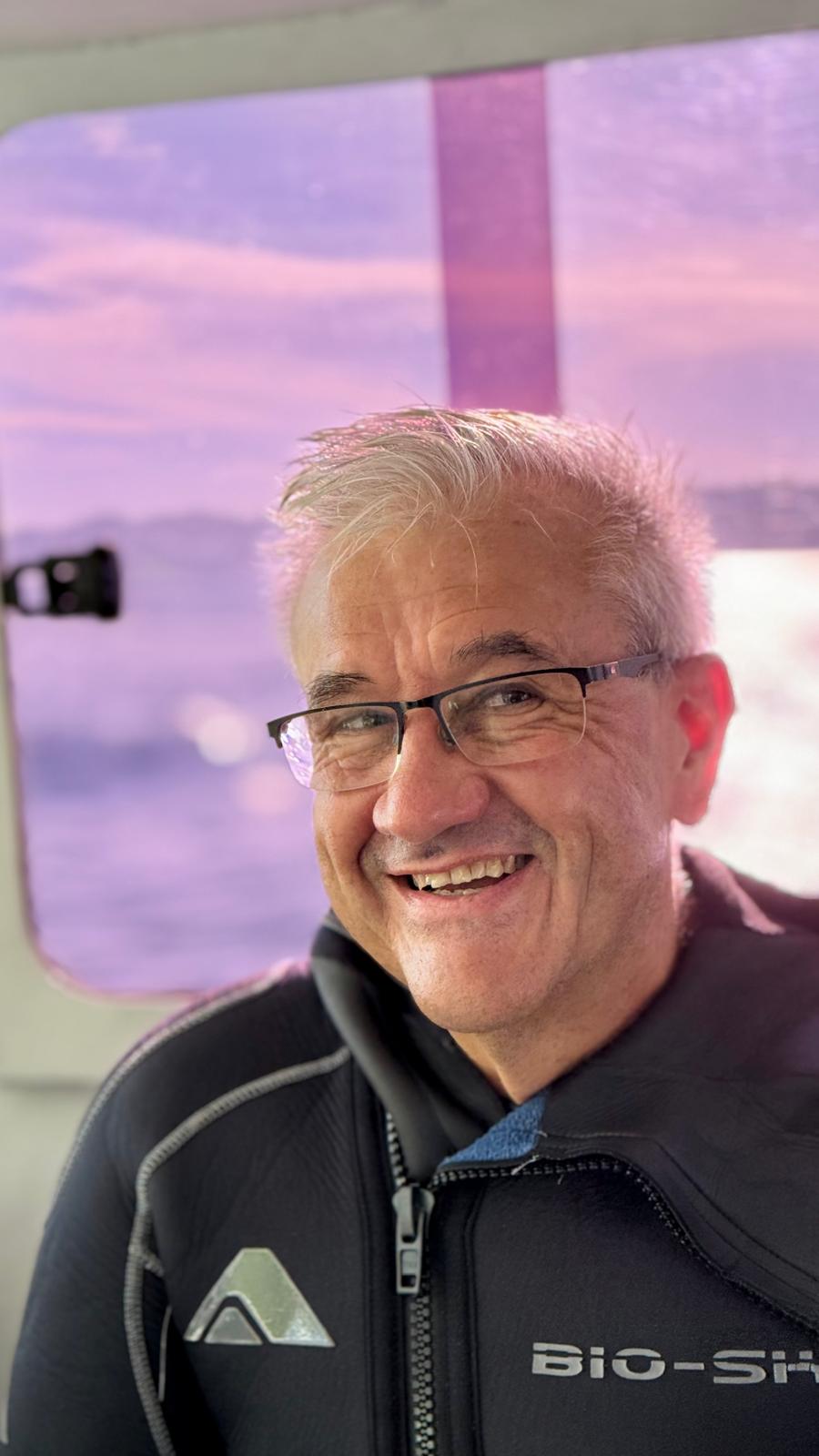
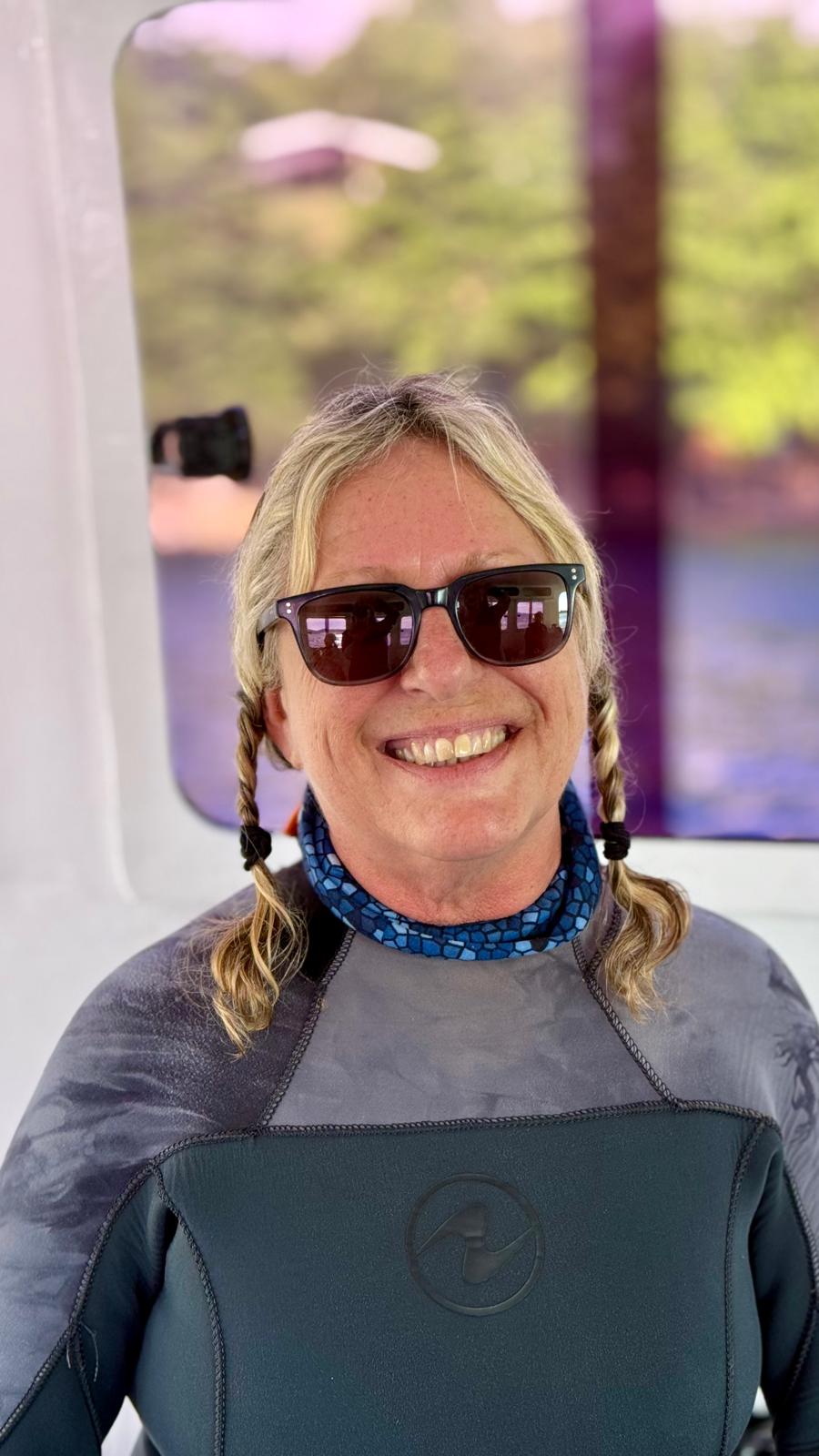
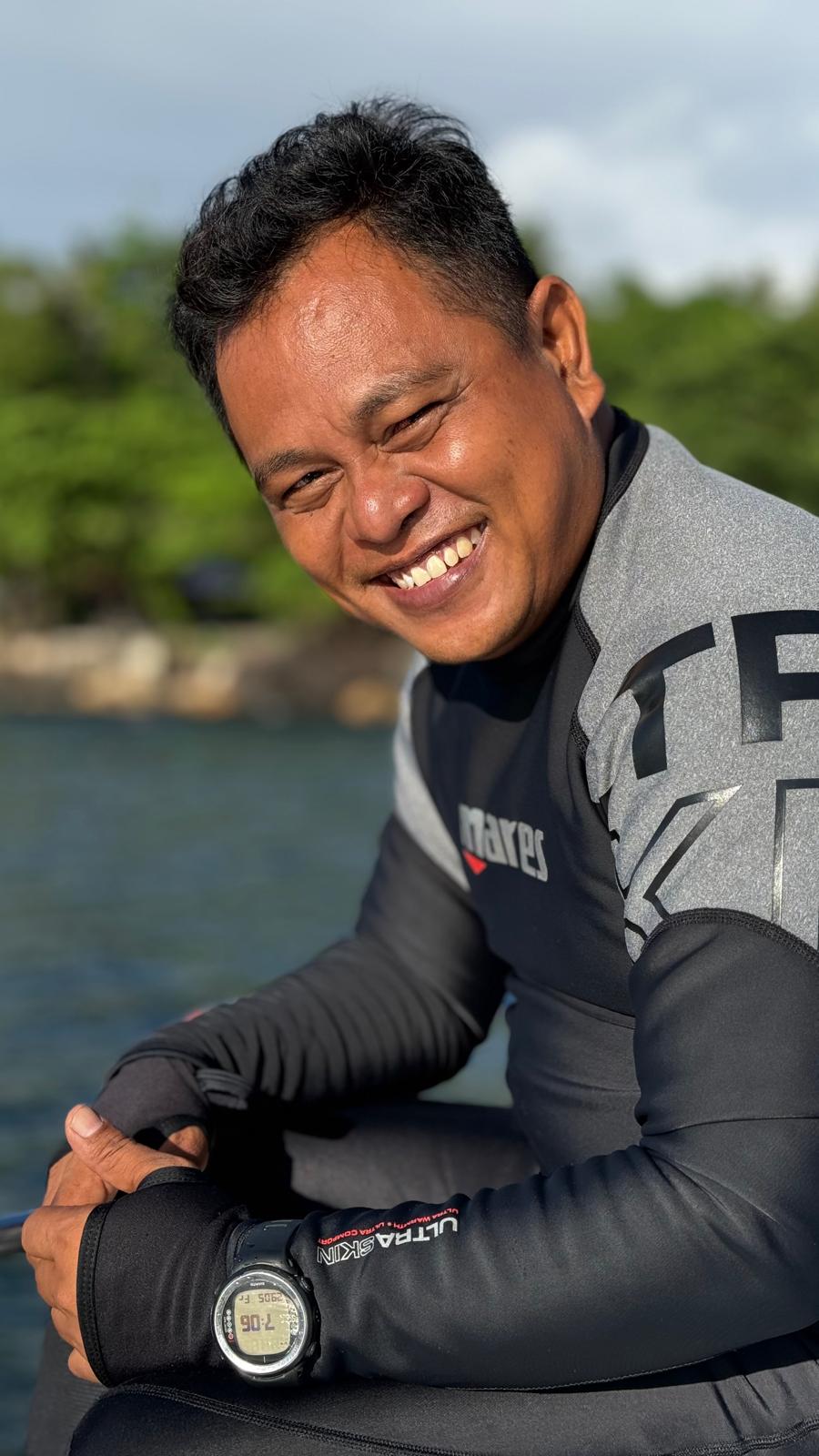
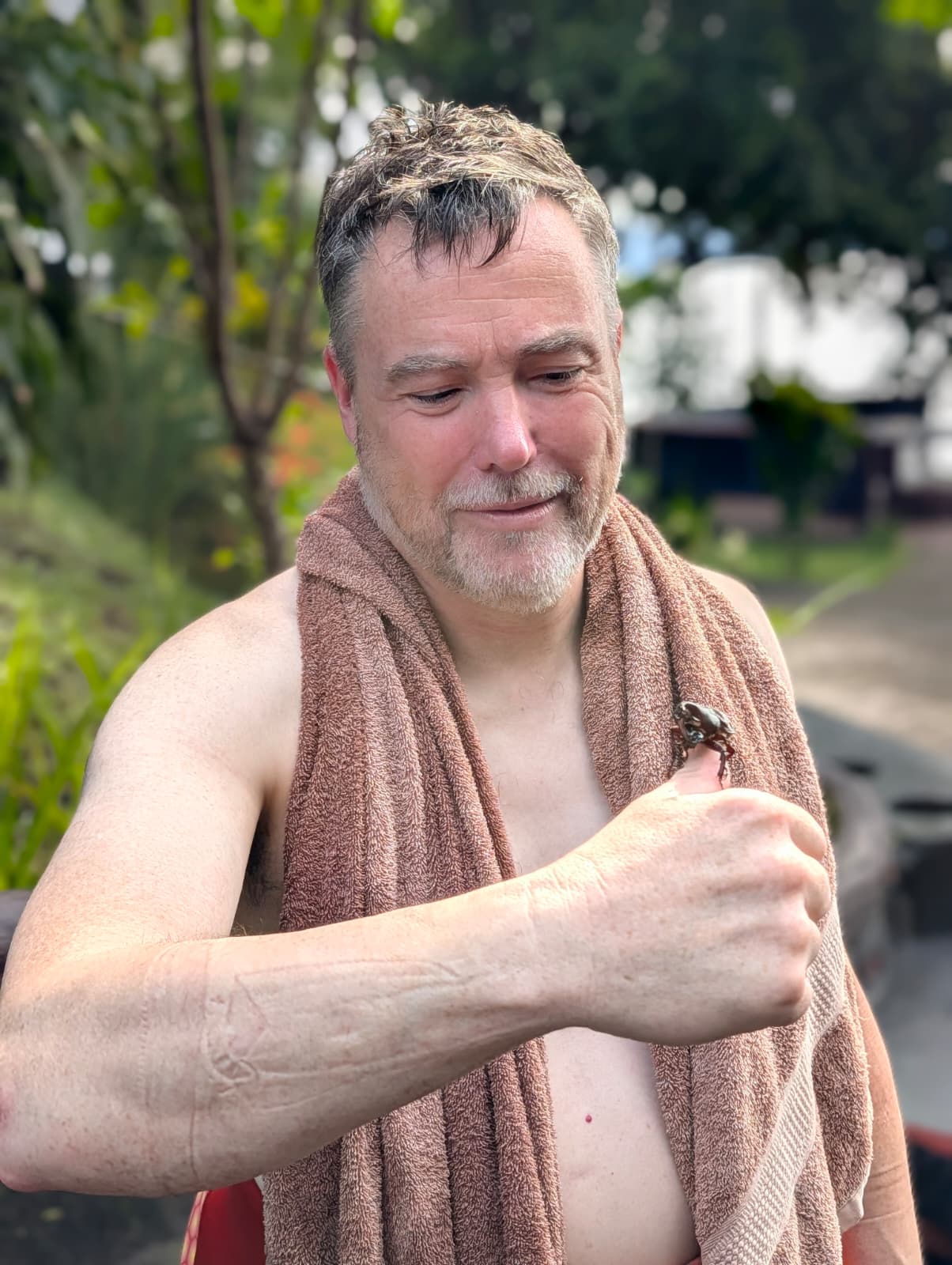
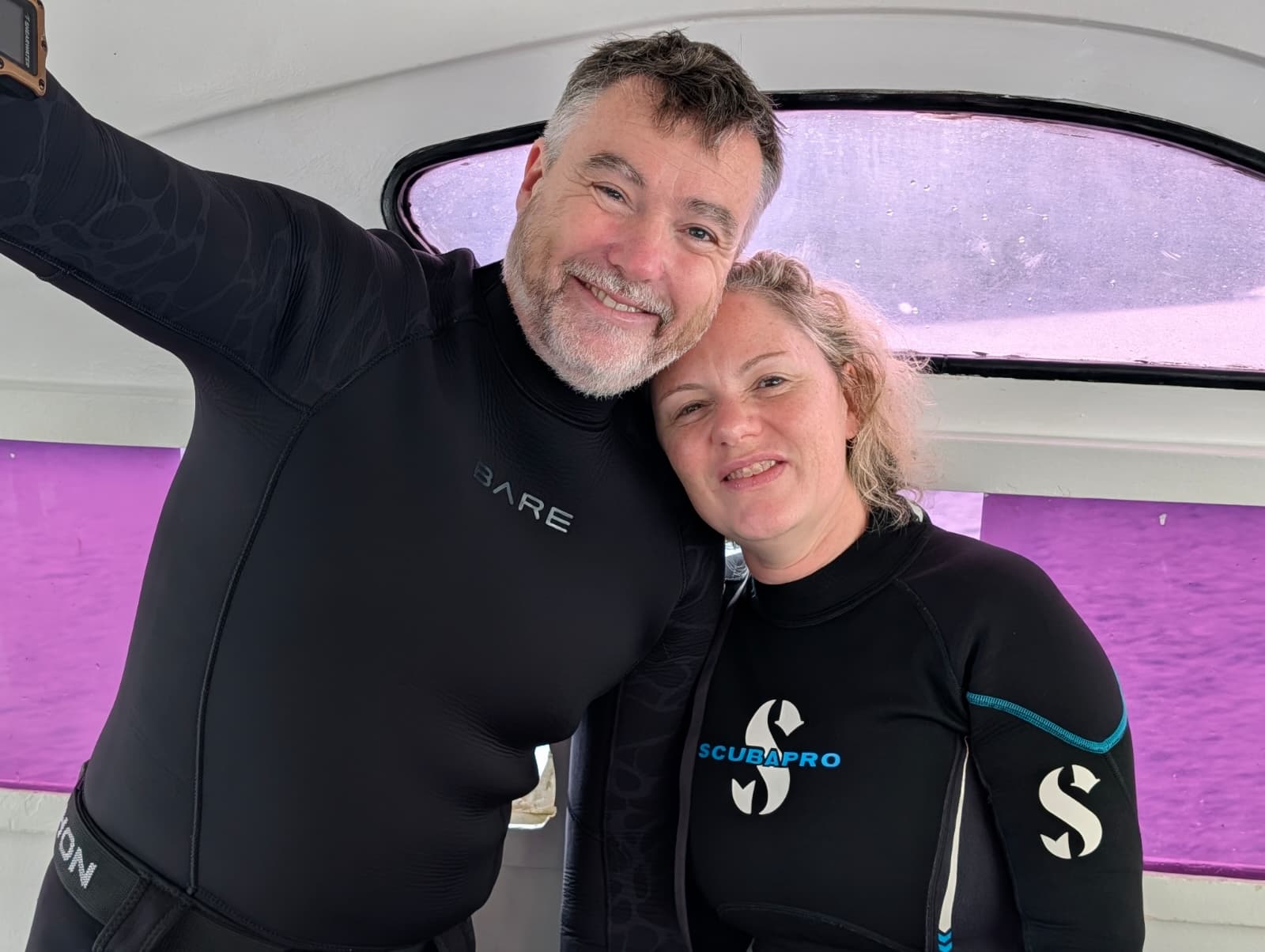
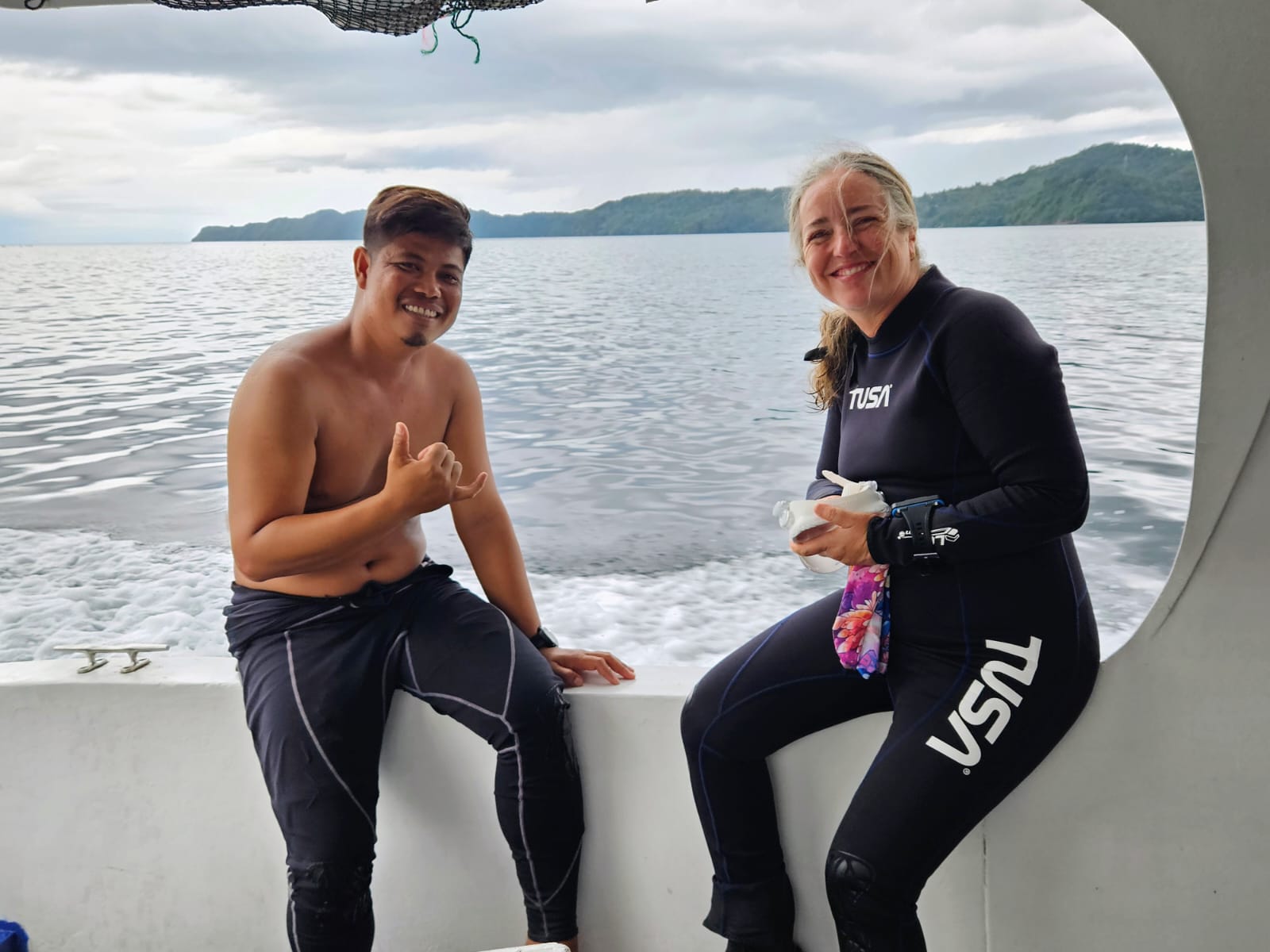
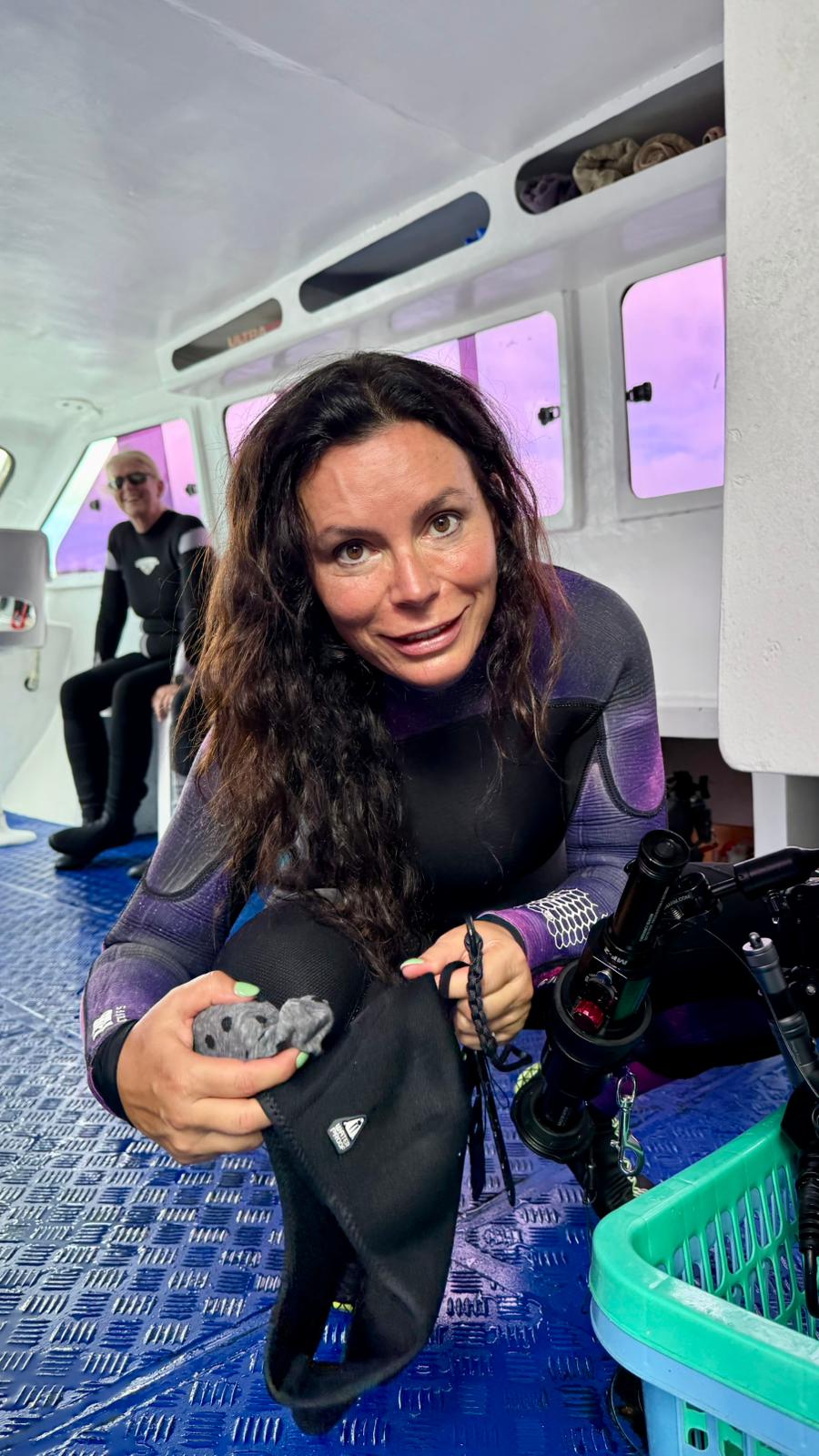
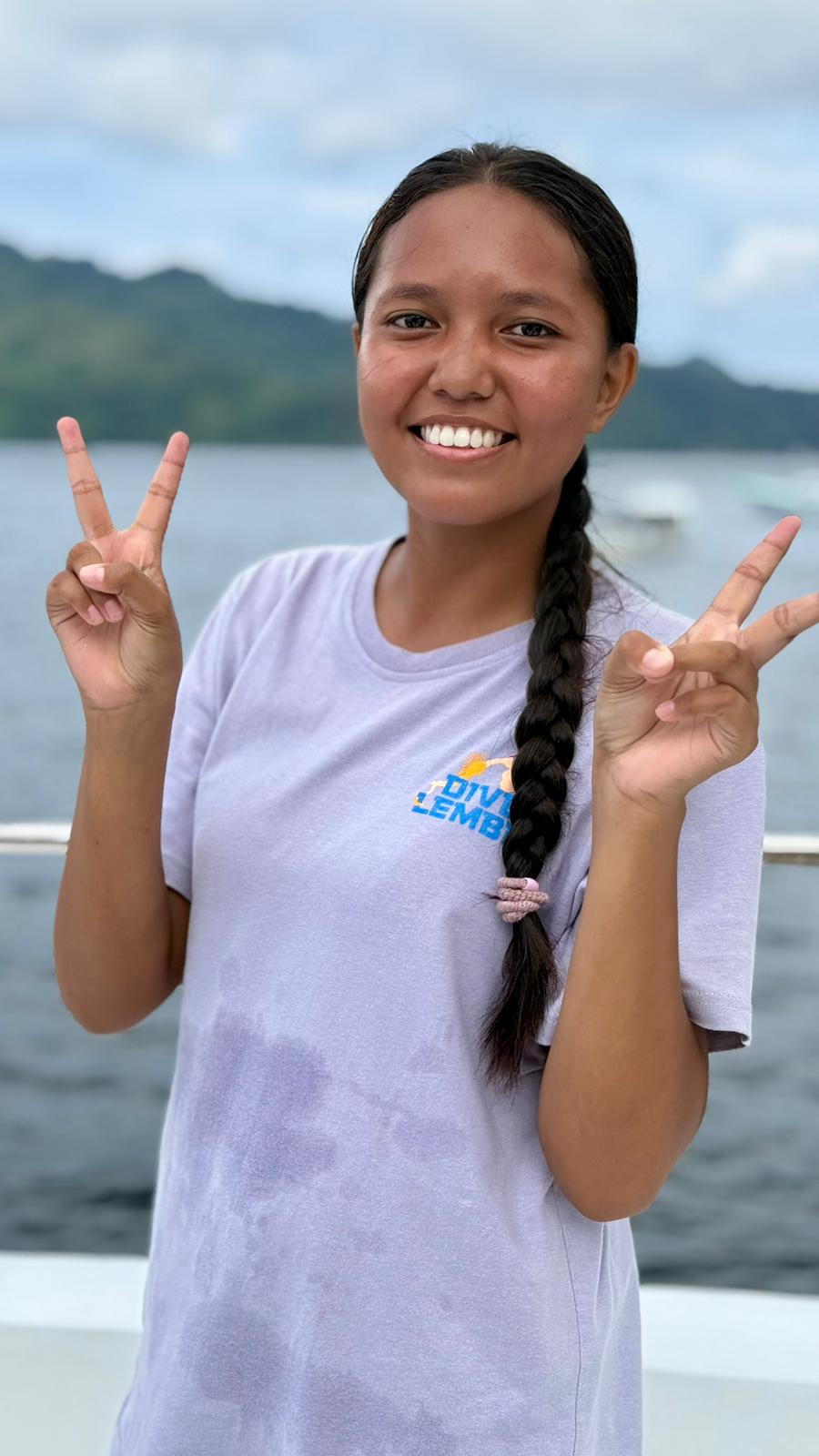
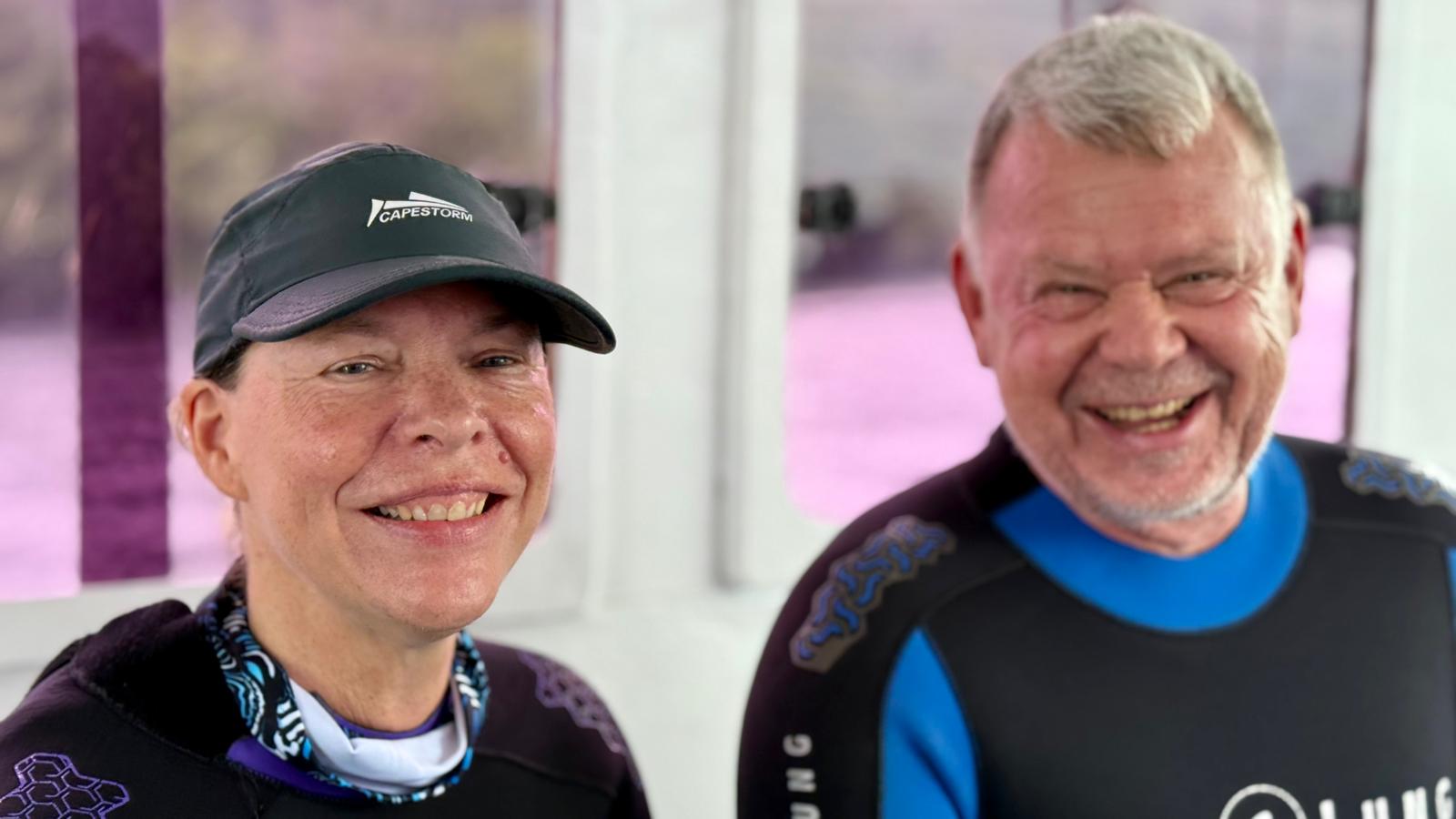
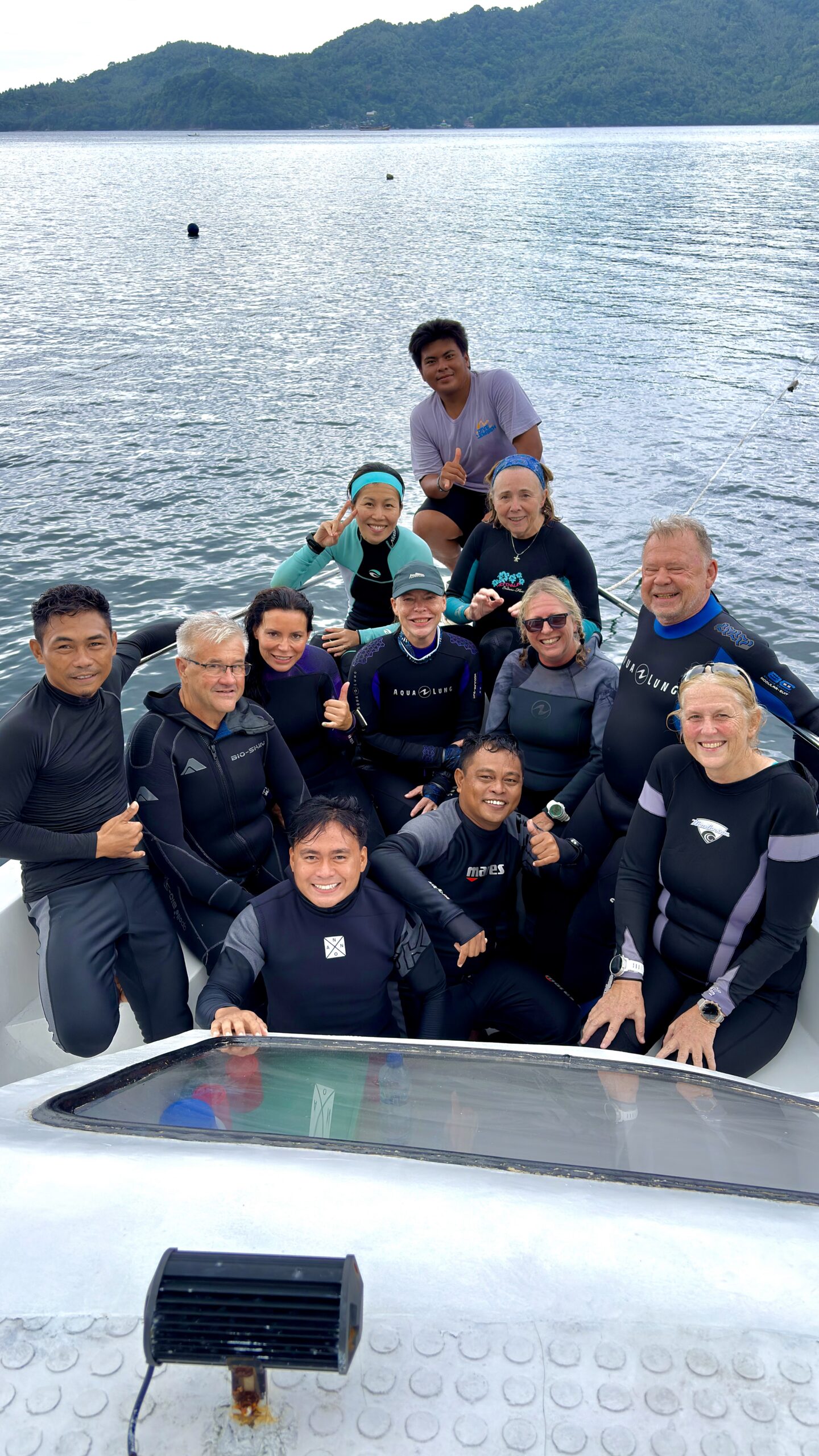
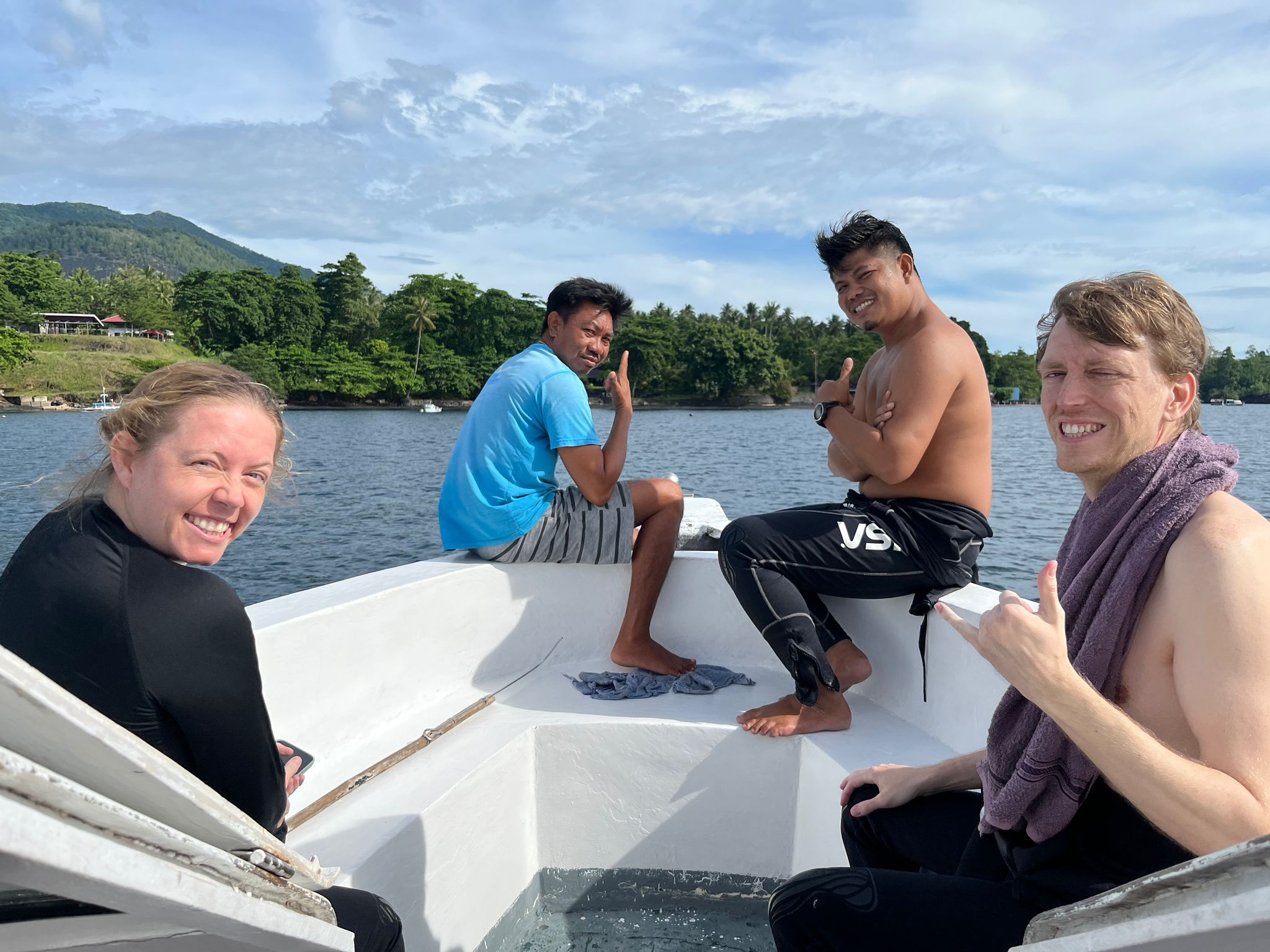
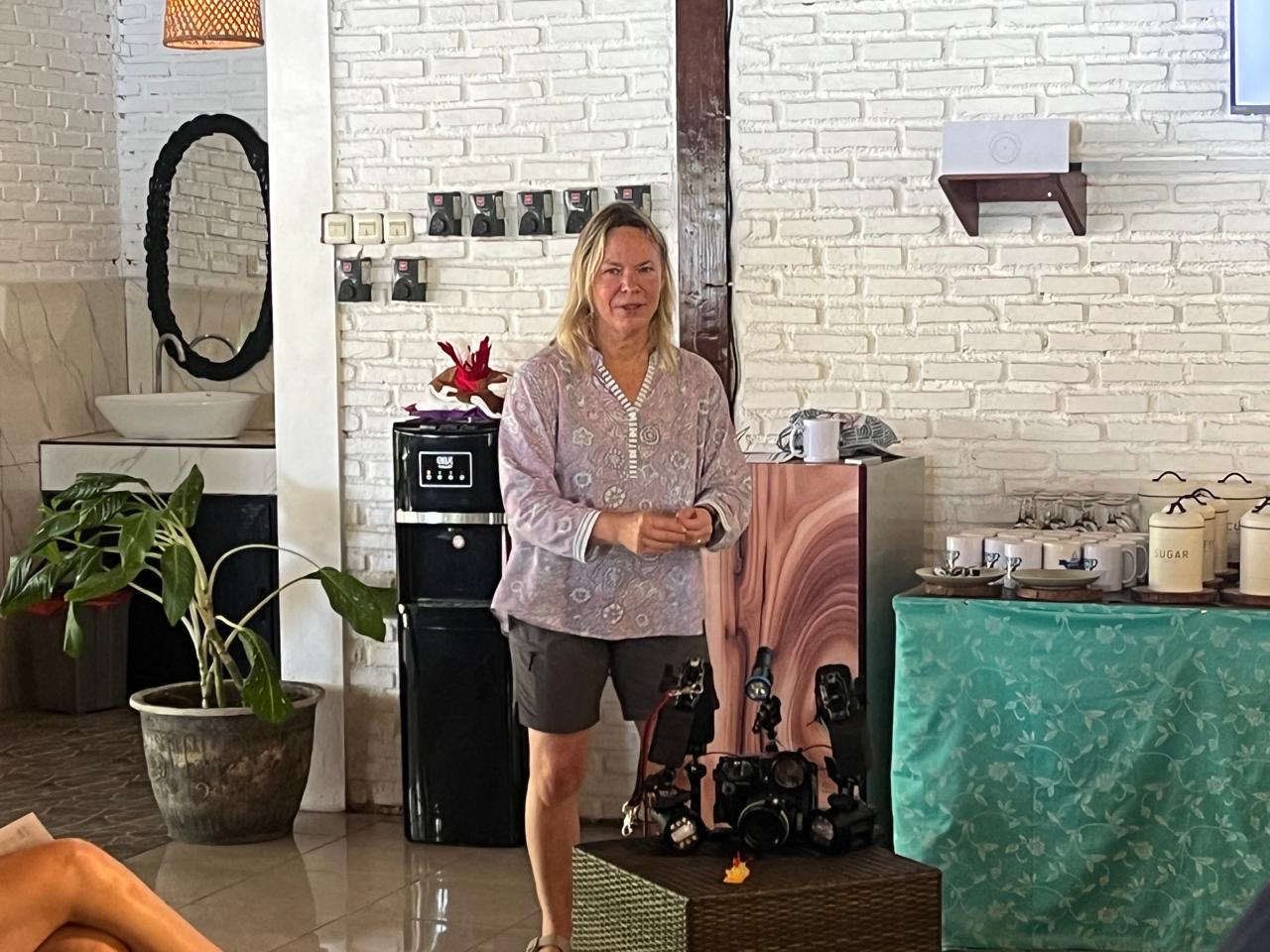
Decades of combined experience, and not one person left behind. Buddy pairs formed around existing friendships (Fraser and Linda had met on Kate’s Bali workshop, Silke and Nicole travelled together as regular dive buddies) while newer friendships formed just as fast on the boat and over the evening slideshows. When Candice’s housing flooded partway through the trip, Vivian lent her a spare camera without being asked, and Candice returned the favour with her own diopter later in the week. That generosity, as much as any technique, is what people kept mentioning when asked what they’d tell a friend.
Cameras included Canon R6ii, Sony A7Rv & Sony A7Riv, Olympus EPL9, Canon R7, TG6, Canon 7D mkii, OMD EM10 iv. OM1 mkii.












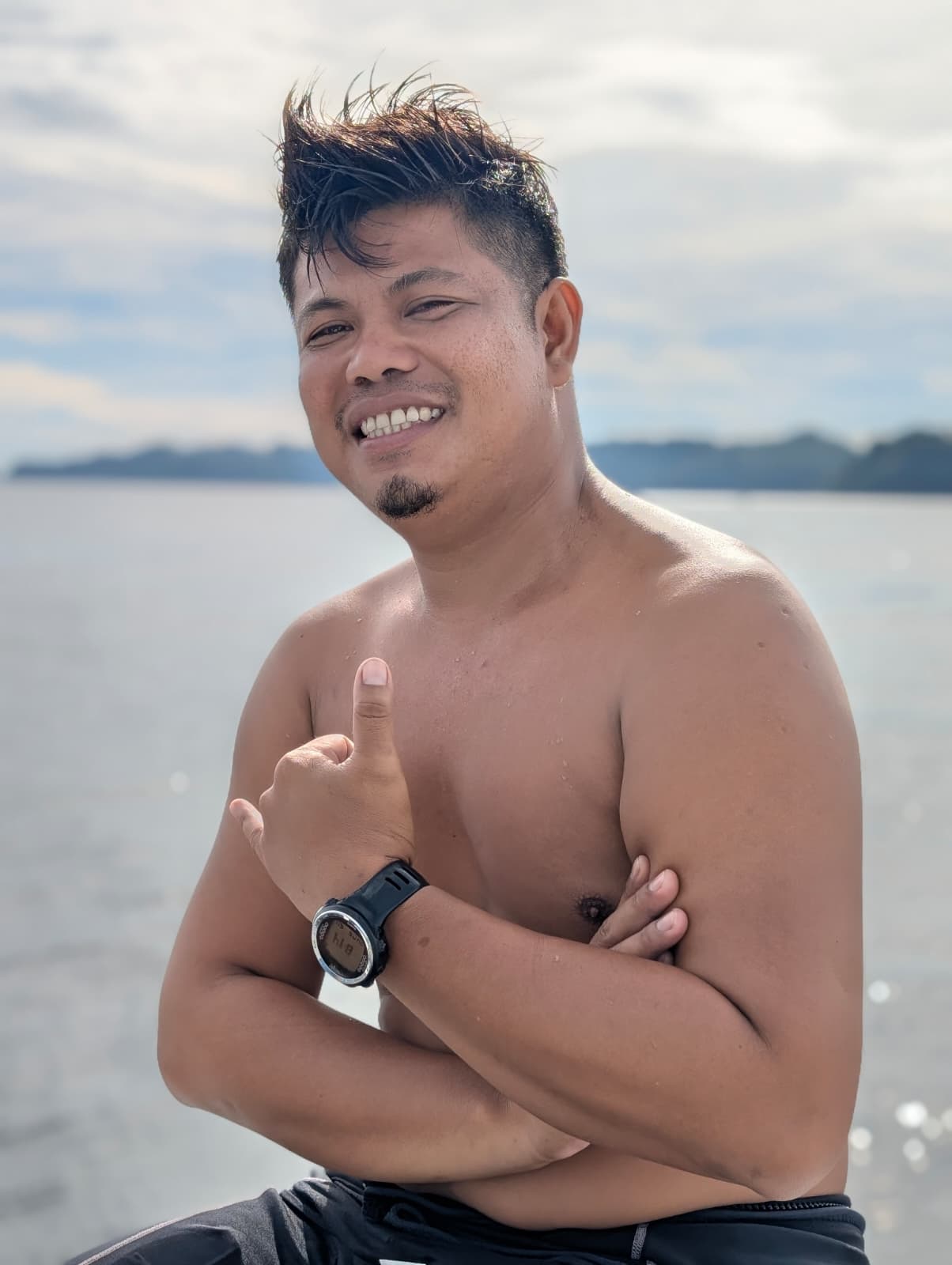

Life at Dive Into Lembeh
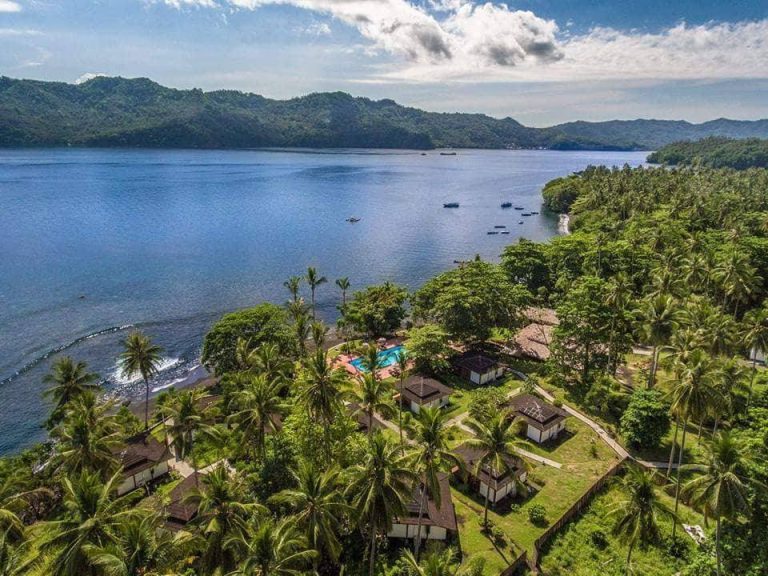
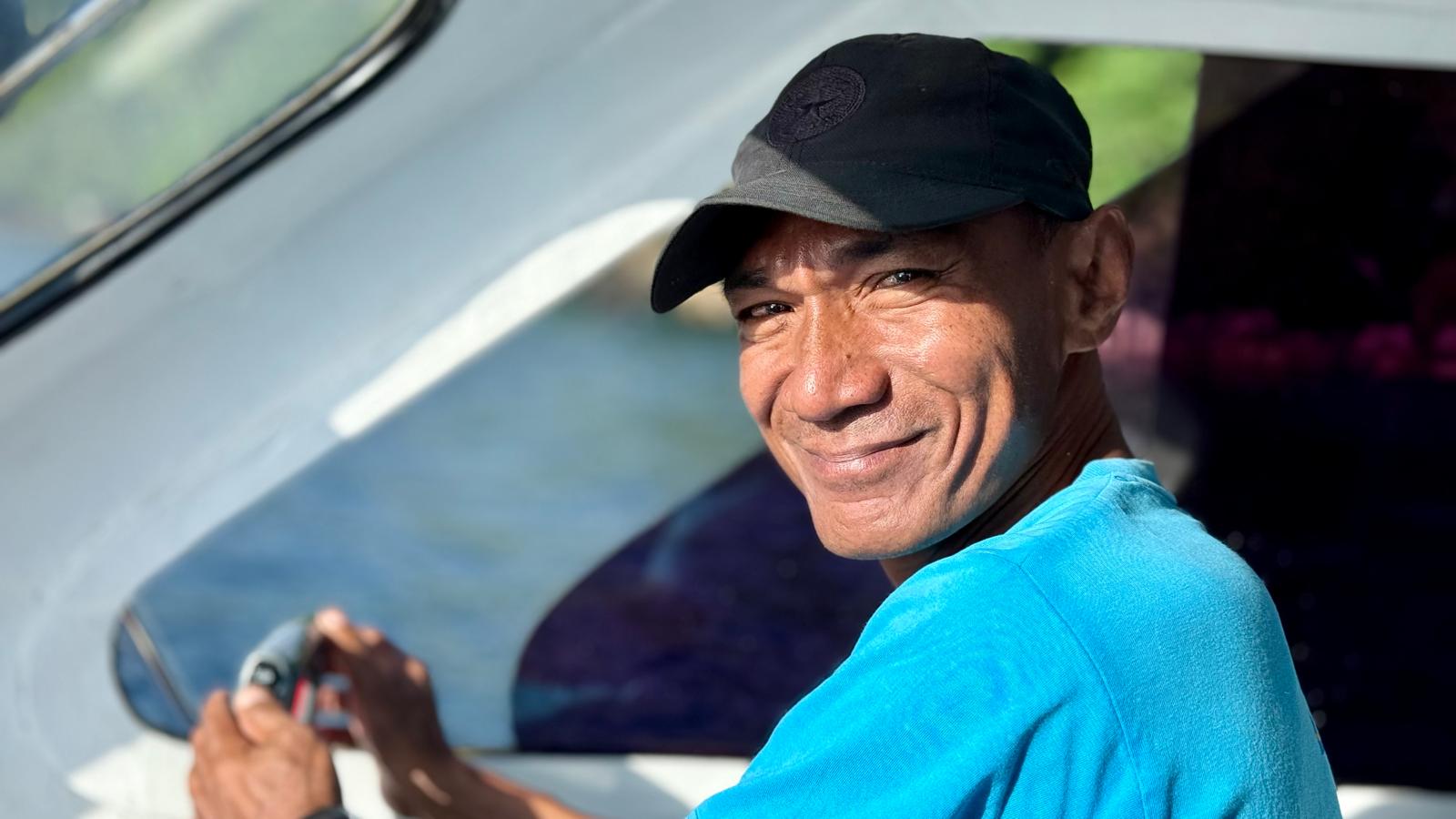
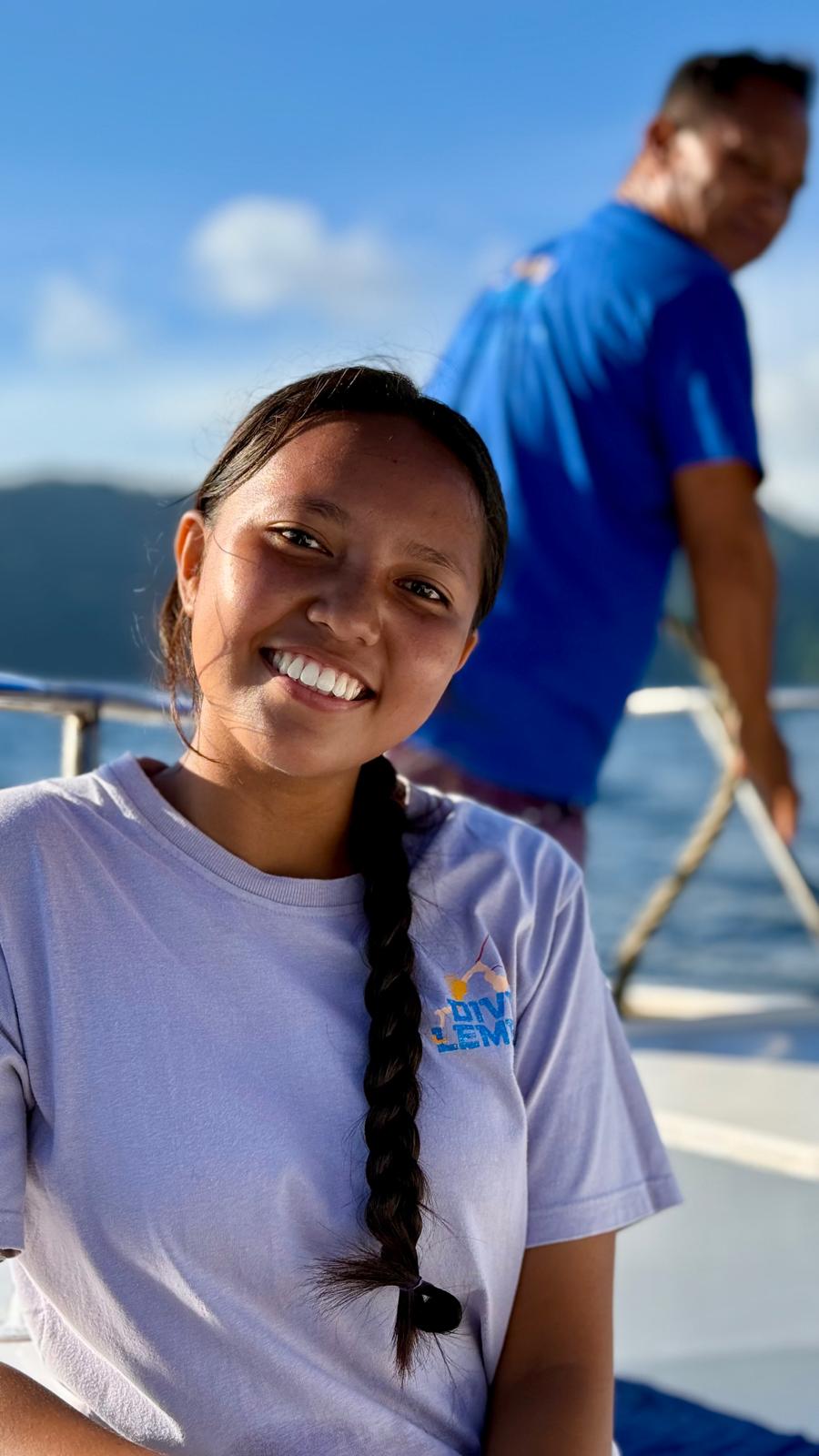
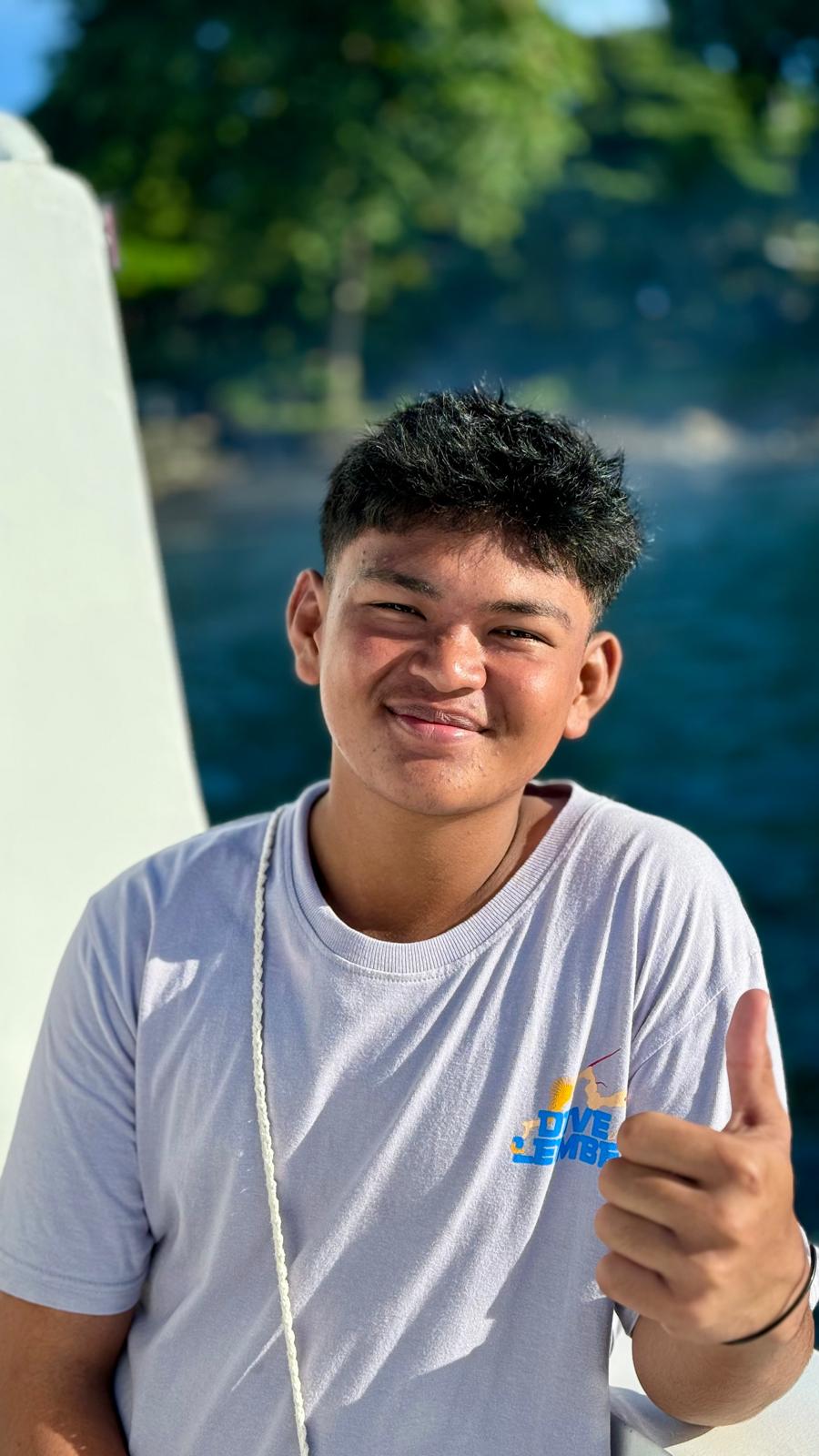
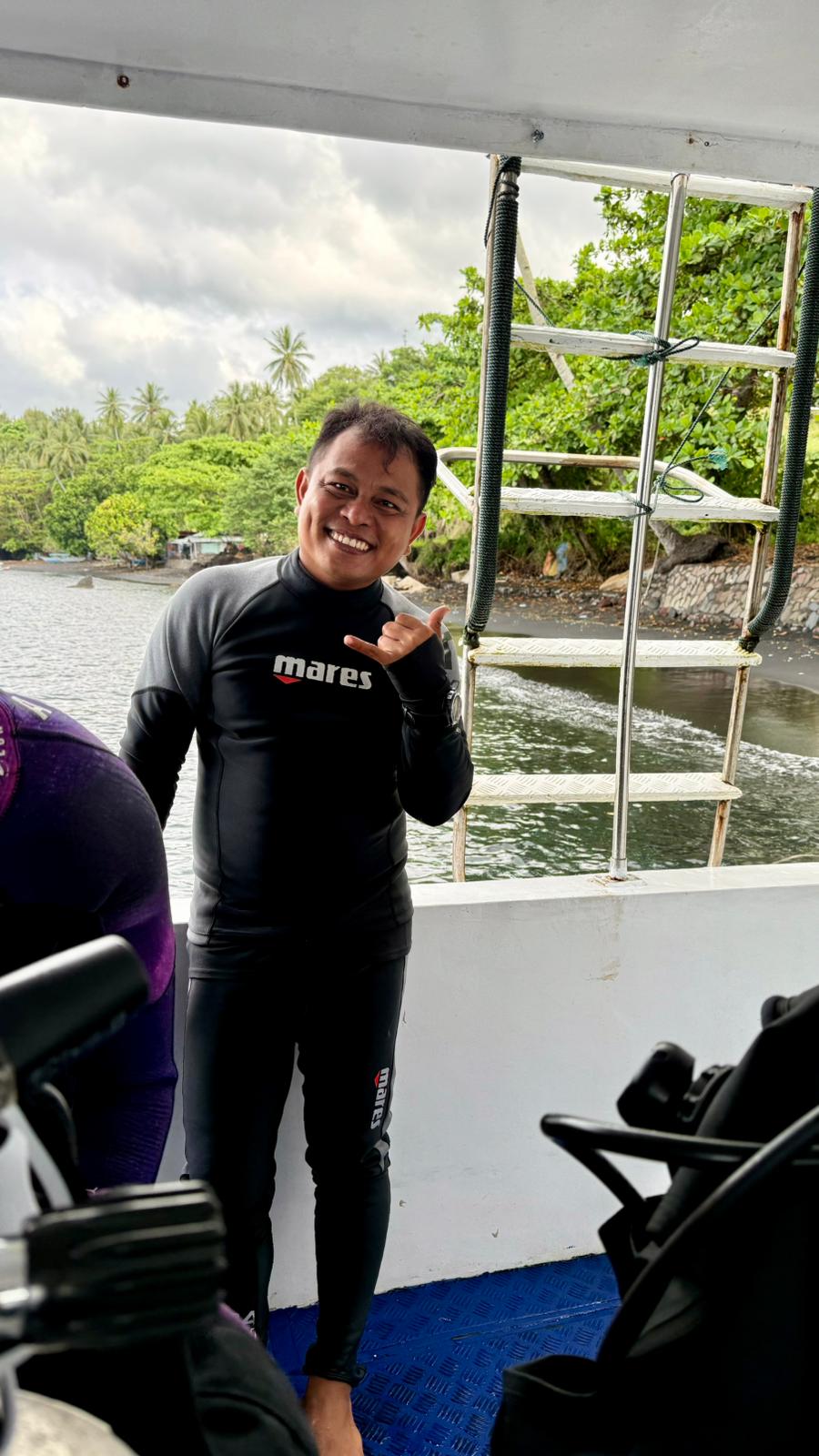
Home for the ten days was Dive Into Lembeh, a small resort built specifically with underwater photographers in mind, sitting right on the strait with direct access to house reef diving between dives.
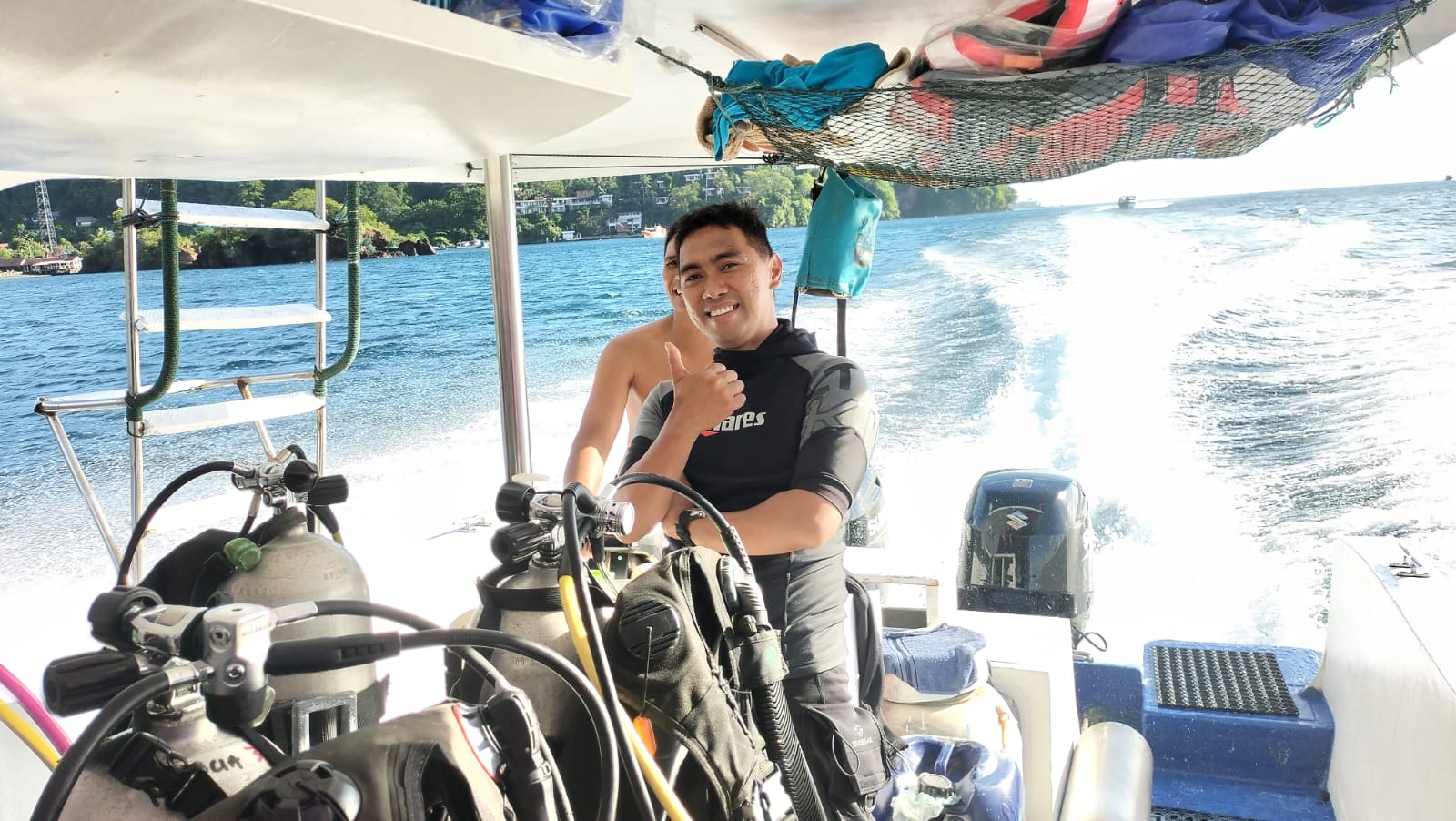
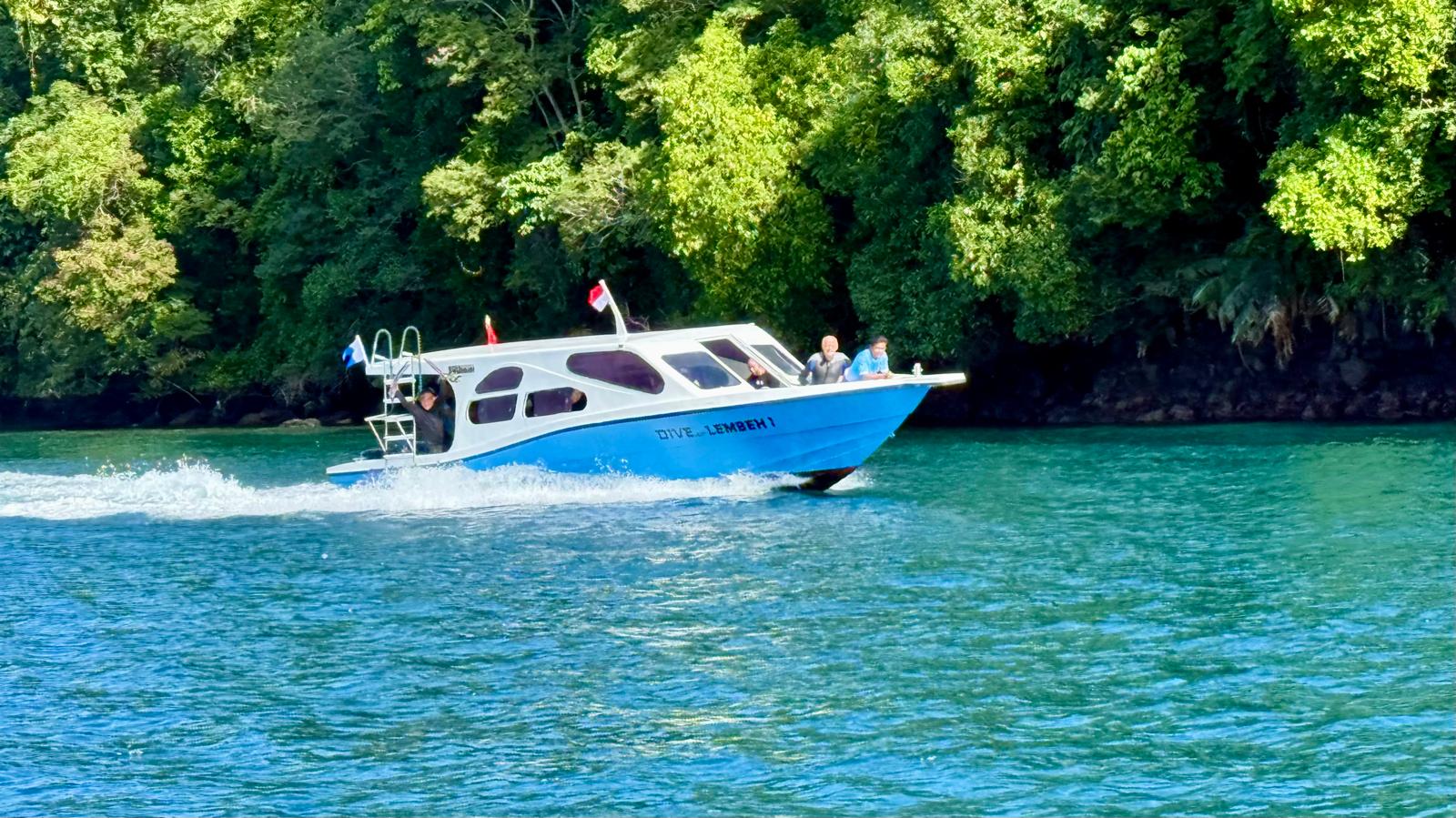
A dedicated camera room with individual charging stations kept gear organised and dry, purpose-built speedboats brought everyone straight back to the resort after every dive, and the guides knew exactly where to find Lembeh’s more elusive residents. Warm water and easy, unhurried days meant the group could spend their energy on technique rather than fighting conditions.
Different Journeys – different goals
All our photographers arrived on different places on their journeys – and with different goals and frustrations, snoots gathering dust, cameras they’d stopped trusting, a hobby some of them were quietly worried they’d lost the spark for, and left with specific, hard-won breakthroughs, the kind that don’t fade the moment you’re back on dry land.
This was an incredible trip with amazing transformations – only possible through the hard work that everyone put in and the support everyone had for one another – exactly the kind of culture and vibe we like to create on our workshops. Thank you to everyone for your hard work, love and laughter.
If any of these stories sound familiar, and you’d like to join one of our 2027 workshops, please CLICK HERE for all the details.